


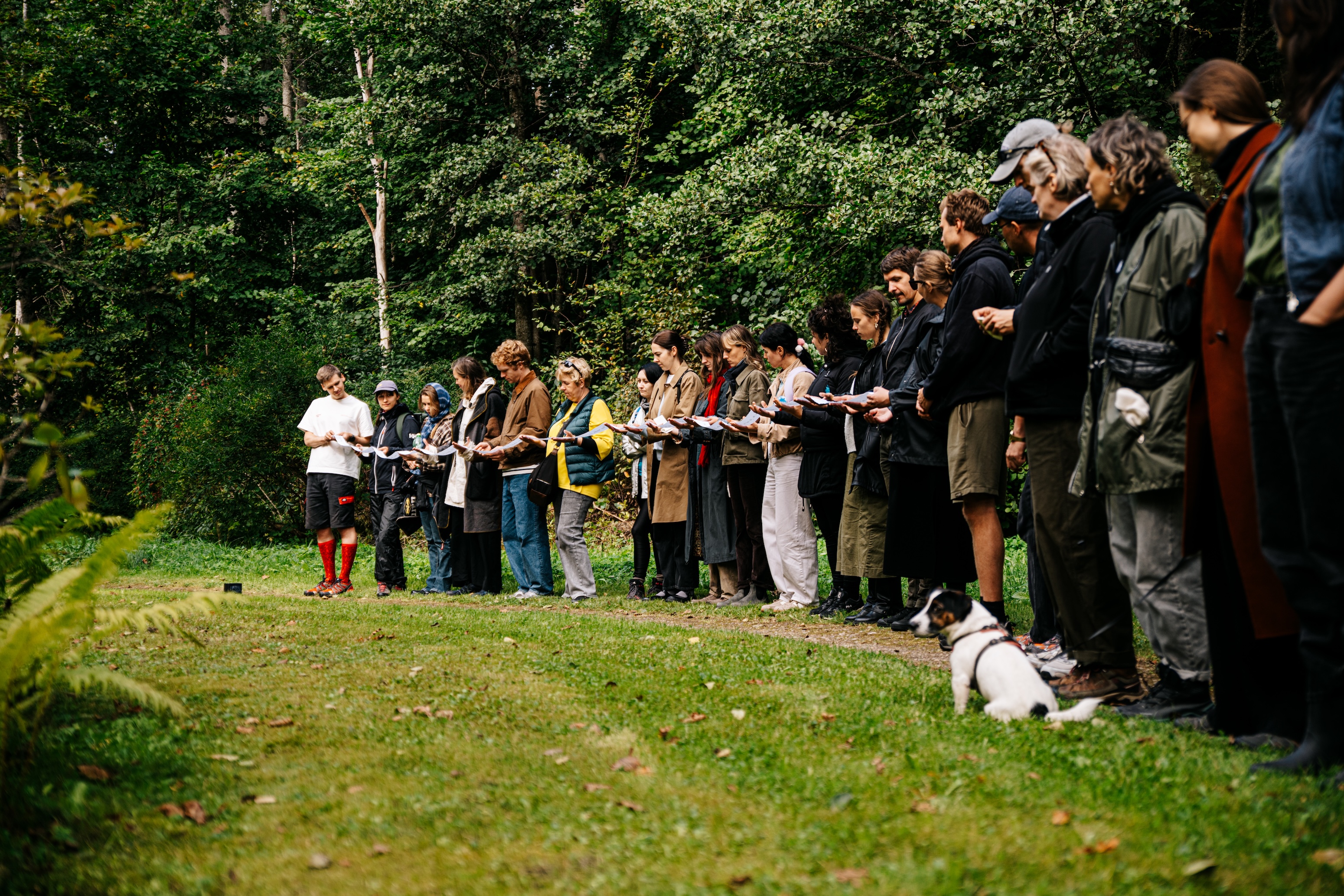
Take a look back at the 2026 festival “Homo Novus”!
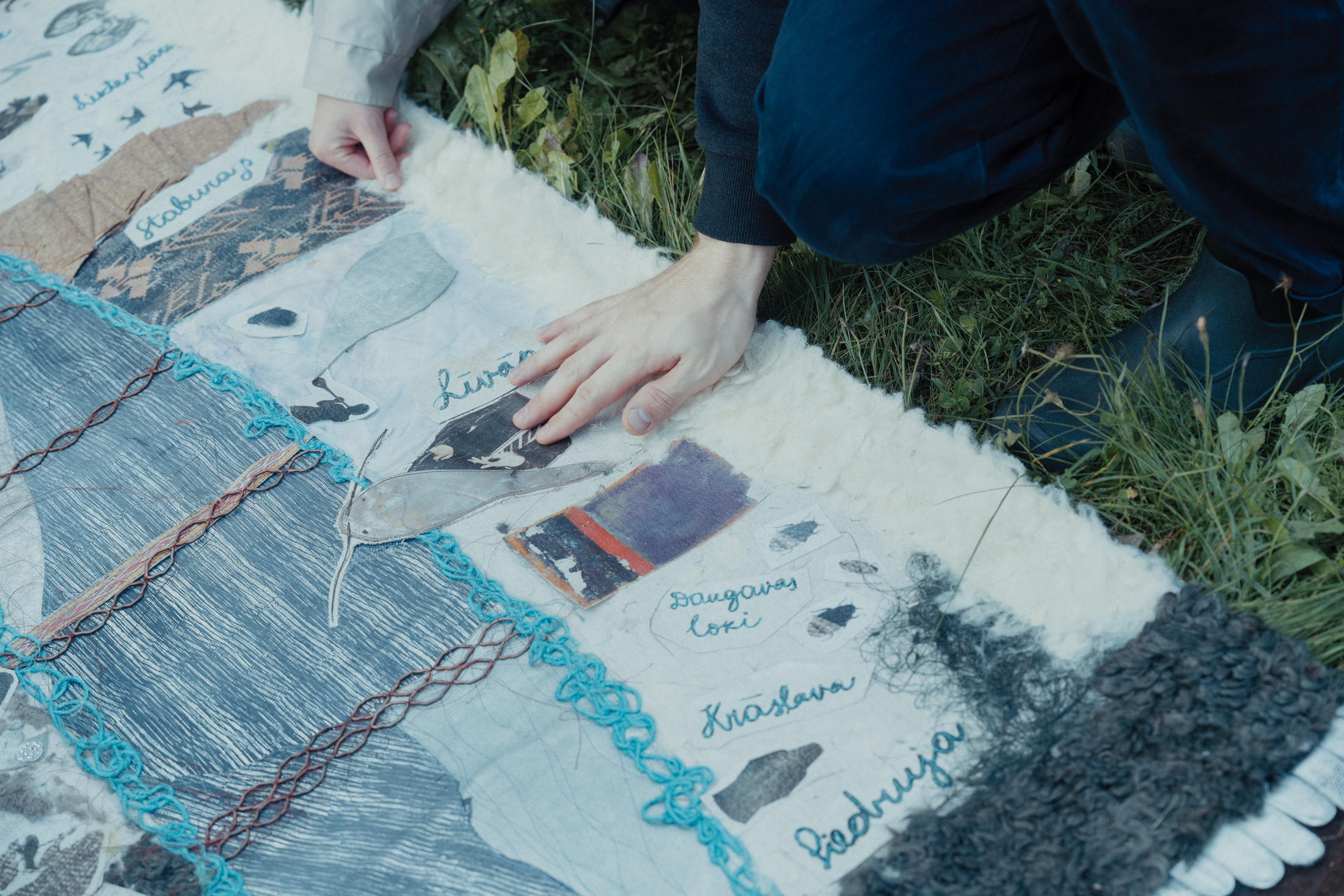
This year’s International Festival of Contemporary Theatre Homo Novus has come to an end. For nine days, we travelled with artists, audiences and people we met along the way. We followed the Daugava River from Krāslava to Riga. We listened to stories told by strangers and searched for words to express things that are sometimes hard to talk about. We walked through cemeteries and thought about the world that will remain after we are gone. We listened to Latvian folk songs in French. We experienced an ending in the Ķemeri bog. We explored the world “beyond beyond” through lullabies and rituals. In the sand of an asphalt factory, we felt the boundaries between people, nature and time begin to disappear. We also spent warm and lively evenings in the Veldze creative factory.
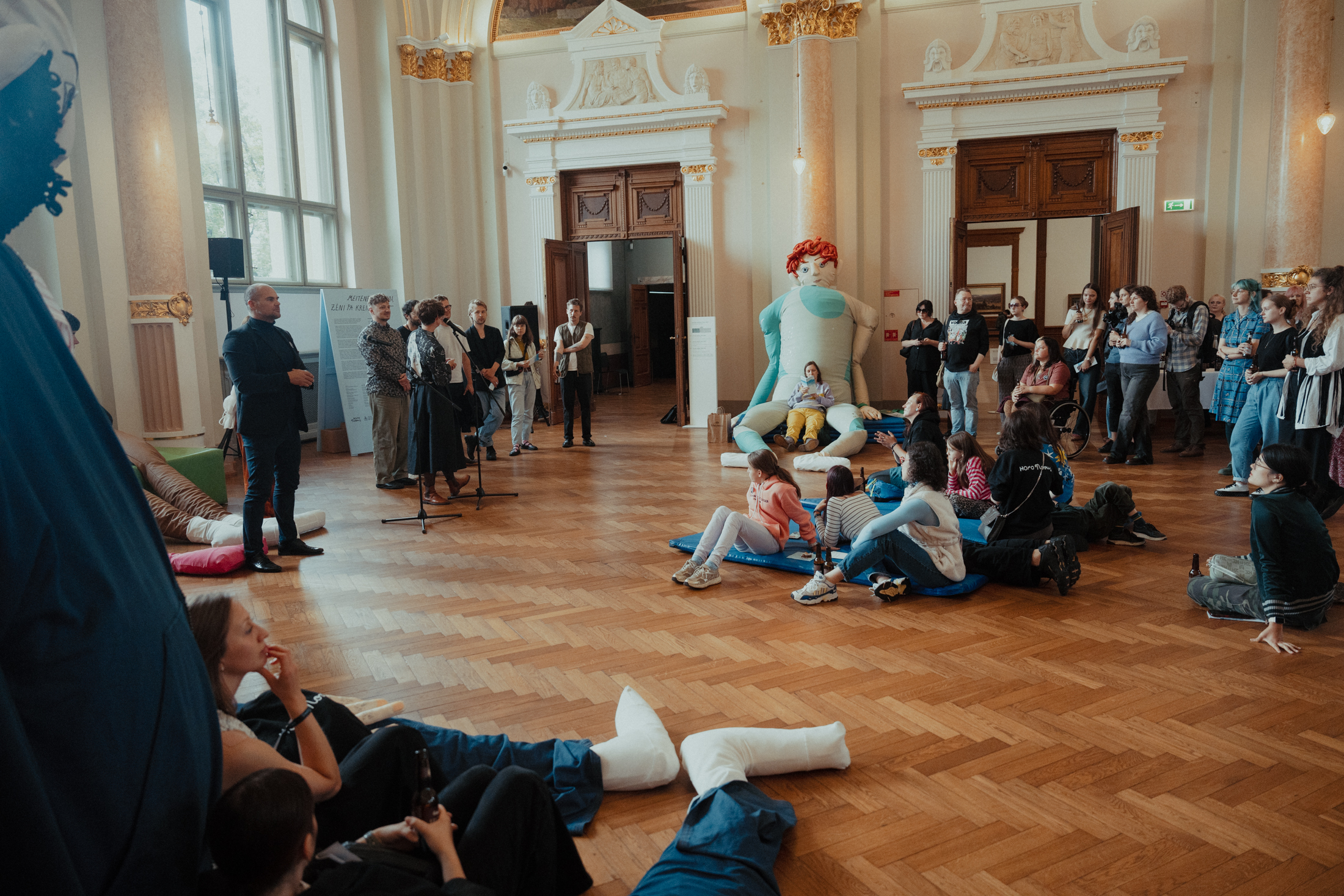
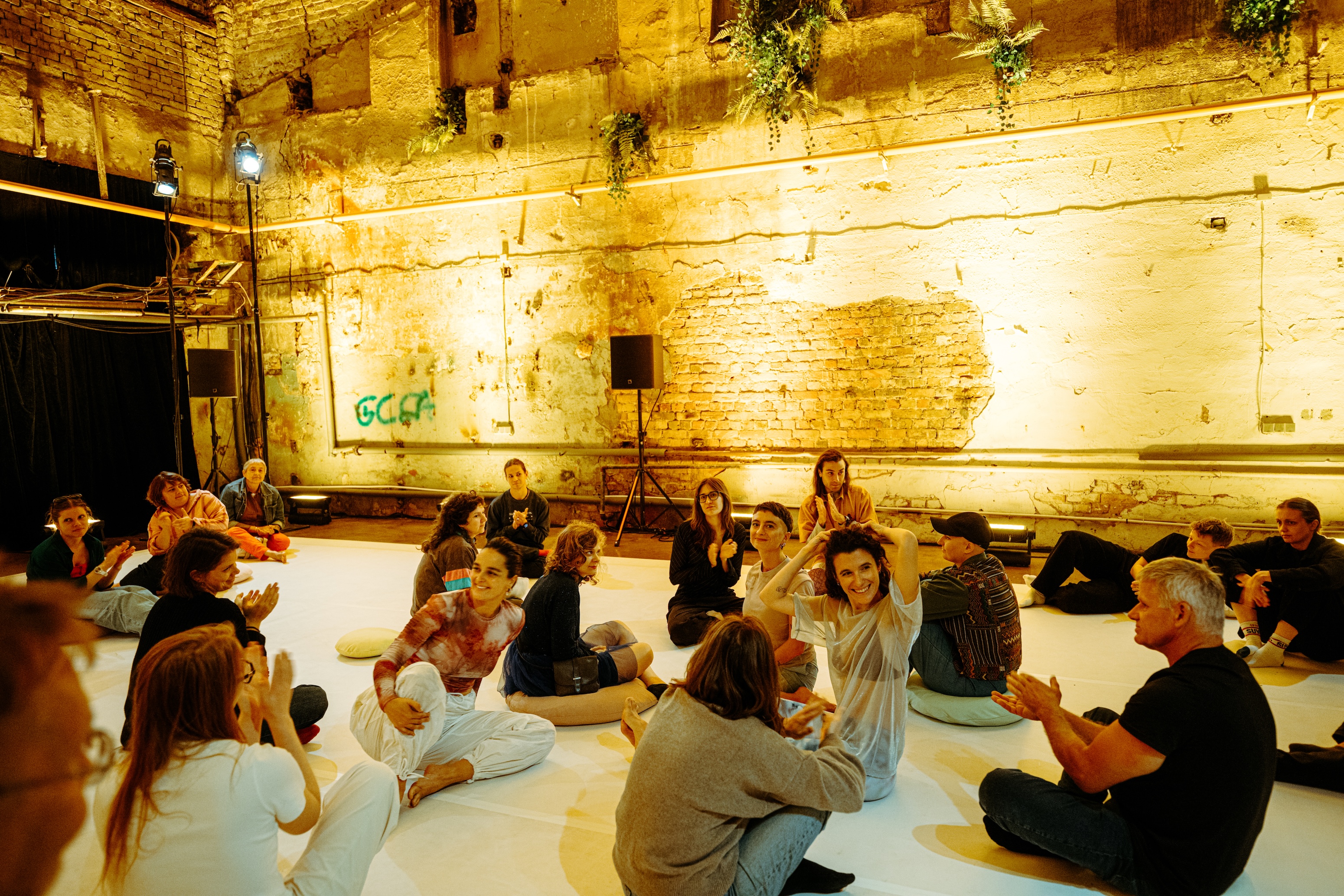
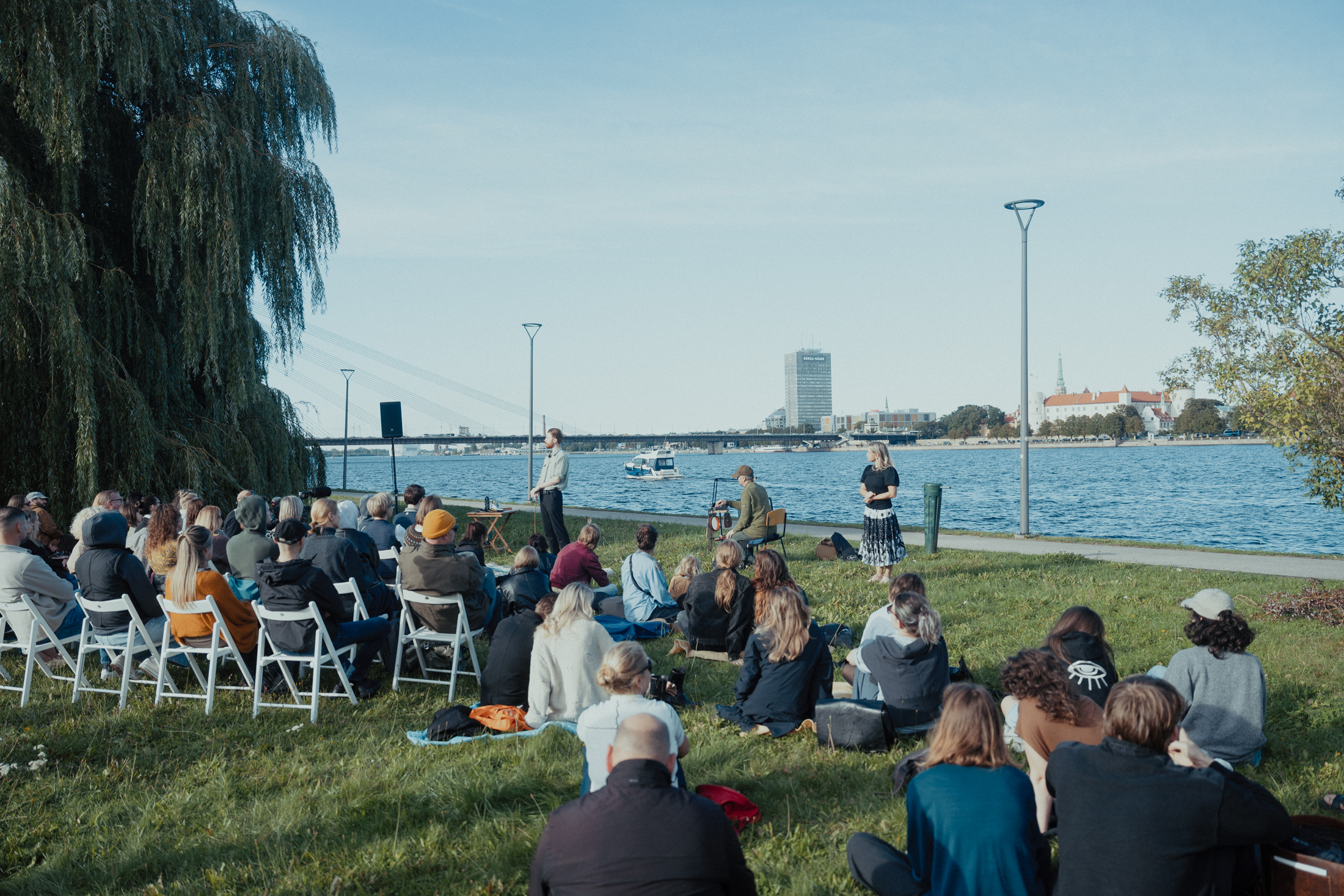
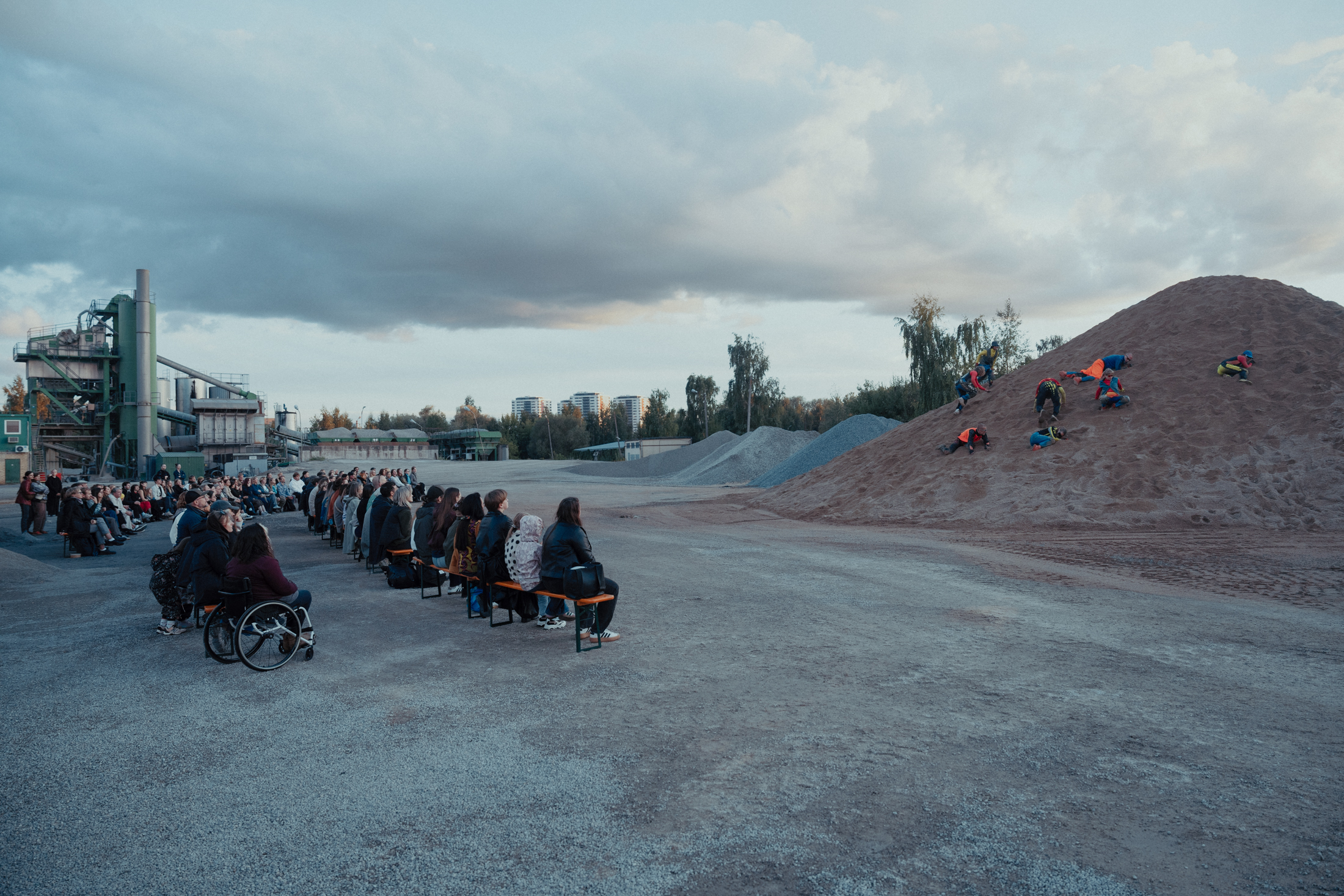
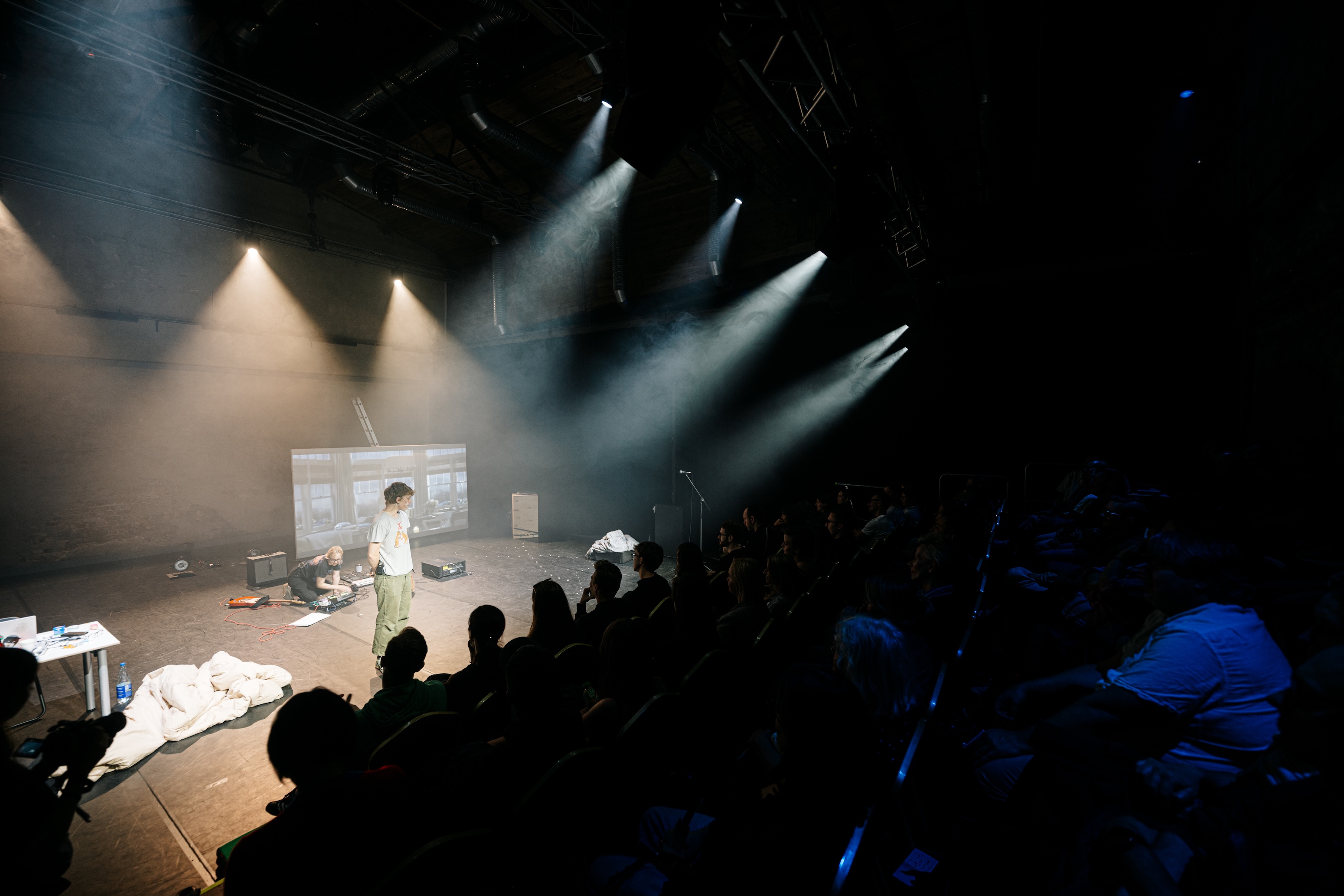
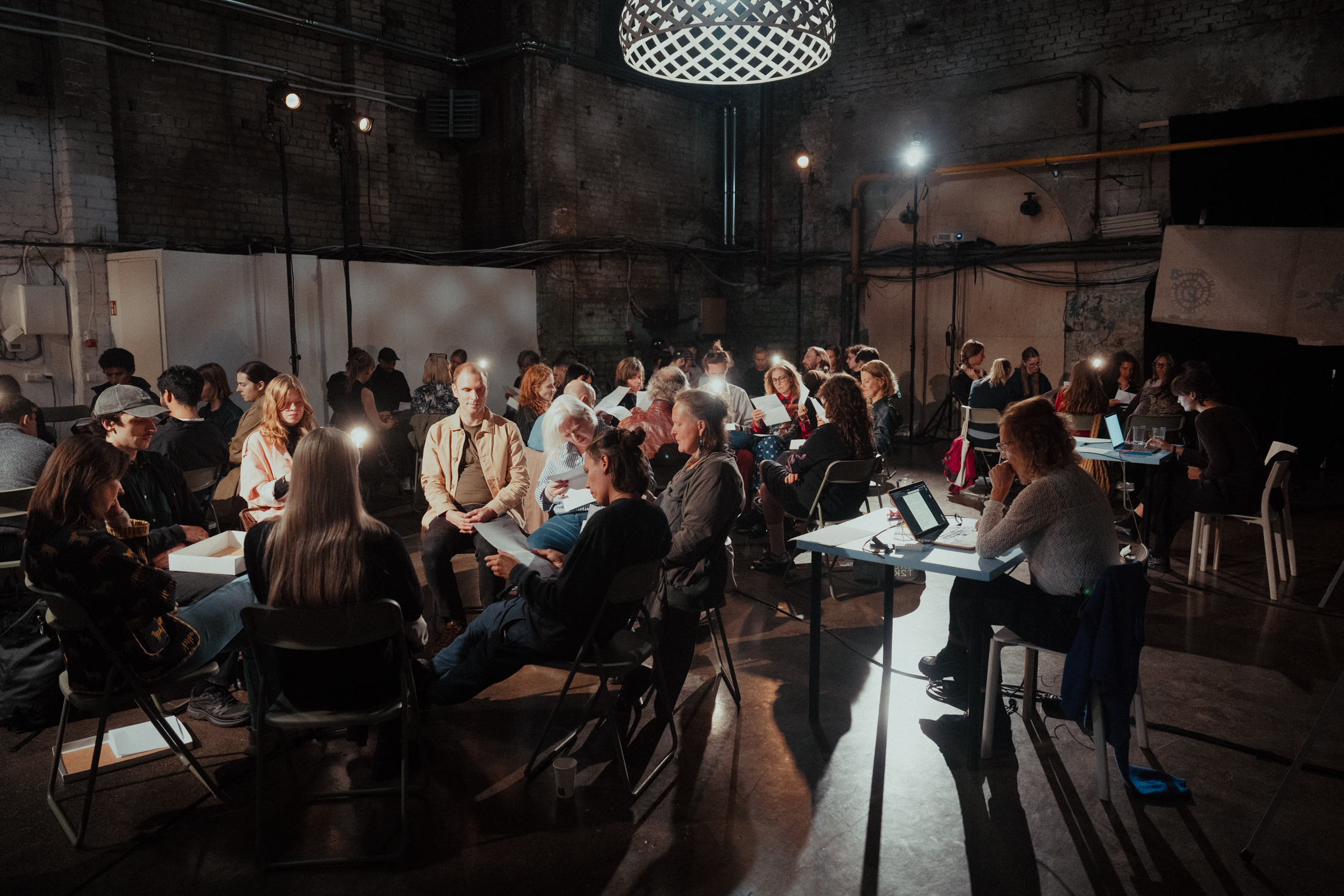
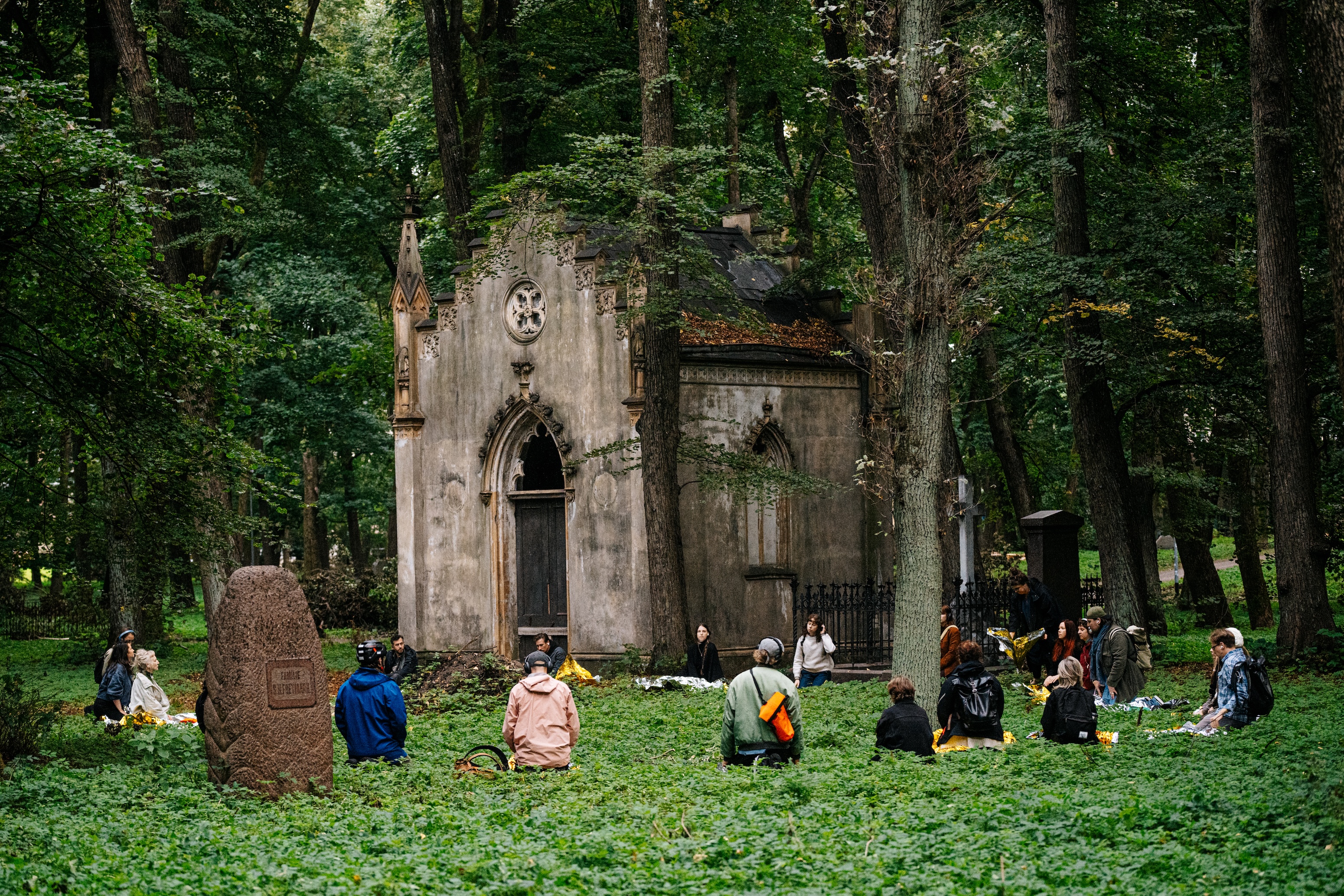
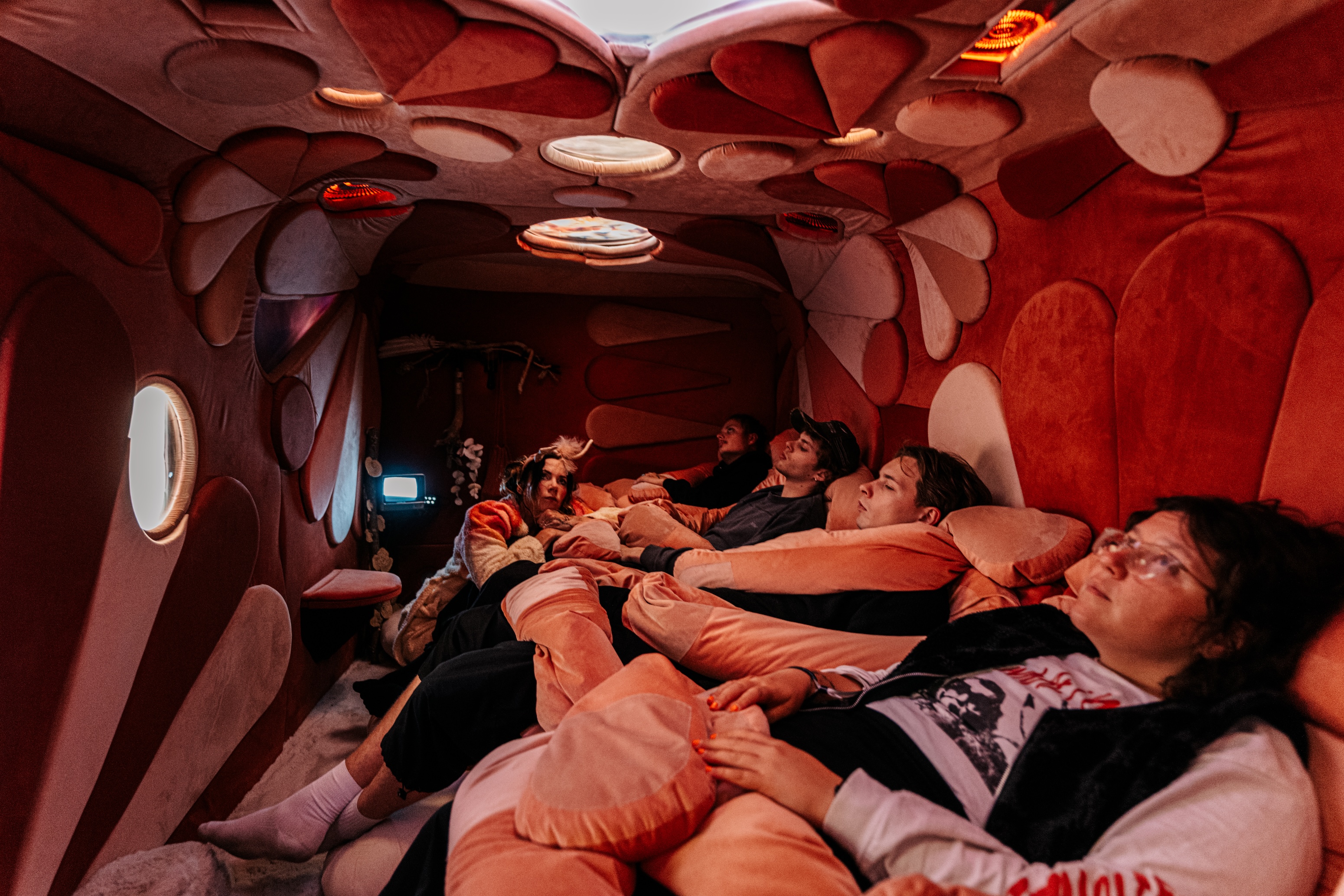
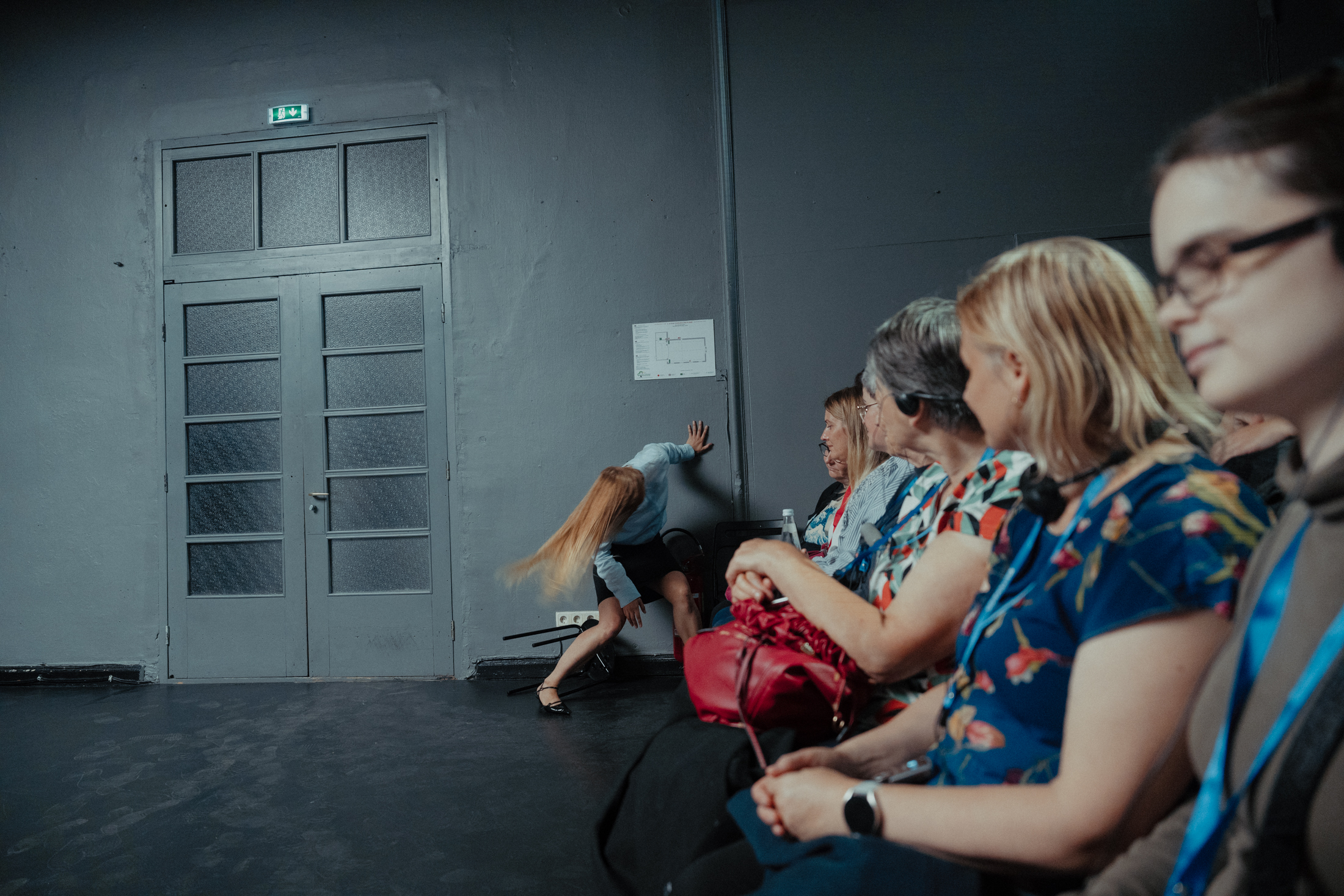
The festival presented 25 events and welcomed around 10,000 visitors. More than 450 people joined our River tour of southeastern Latvia. The events were created by 73 artists from Latvia and international artists. Many communities also took part, including people with visual impairments, people with mental health conditions, wheelchair users, skateboarders, roller skaters and school students.
Throughout the festival, we kept asking ourselves an important question: can art and culture help people live healthier and happier lives? We also asked ourselves: can we slow down and do less? Can we create a festival where the people who organise it and make the art feel good, too? If we want to change the way culture works, perhaps we need to start with ourselves.
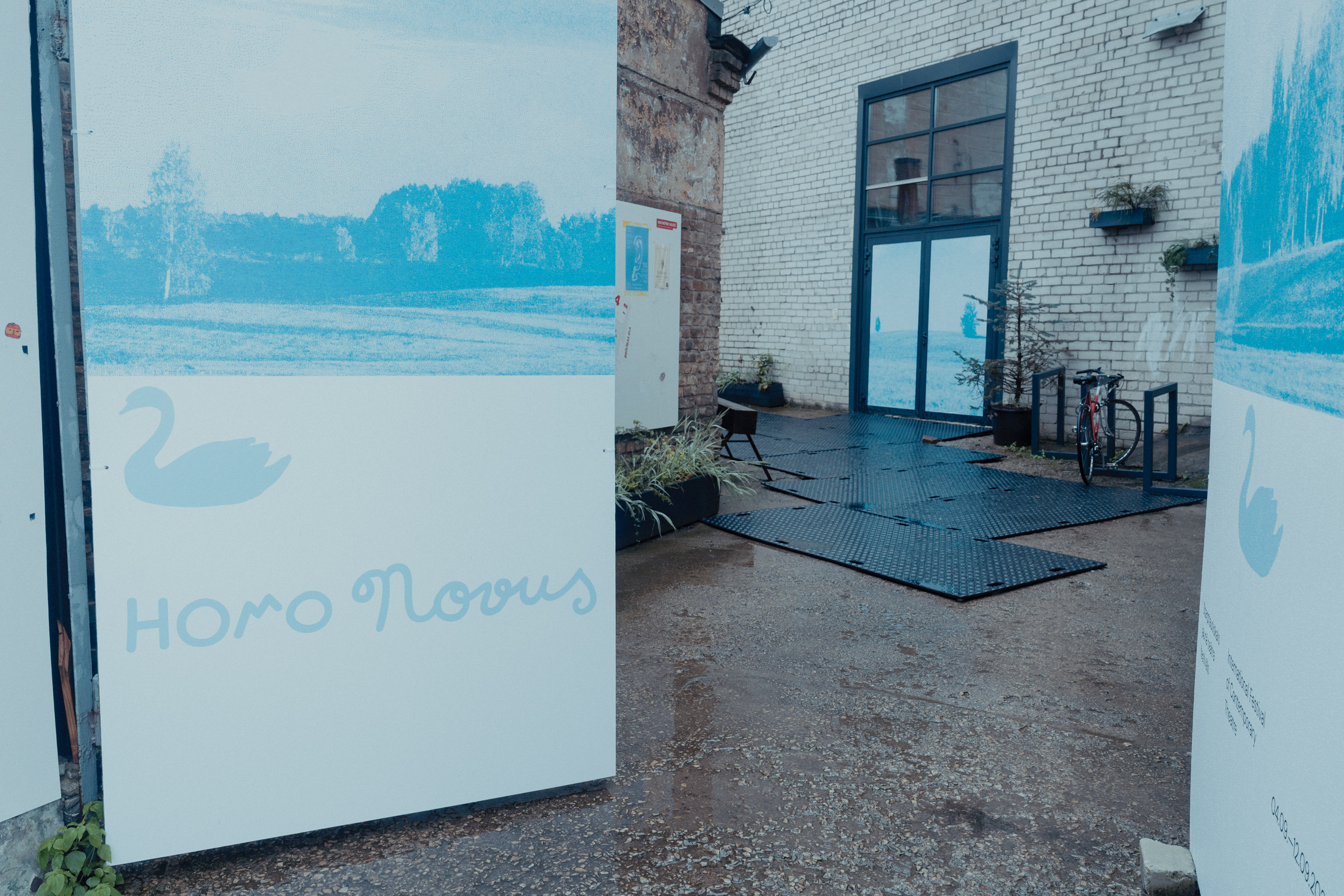
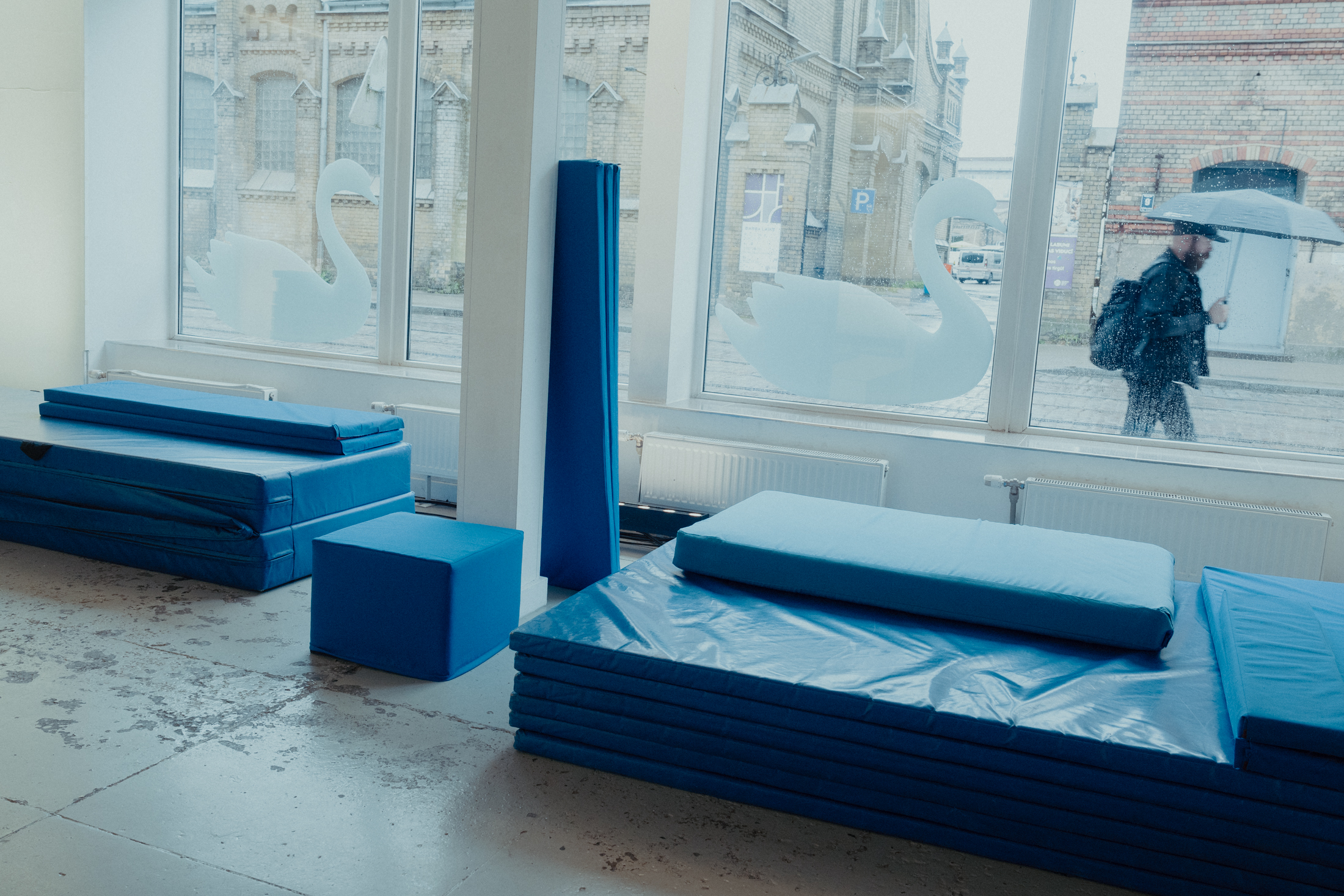
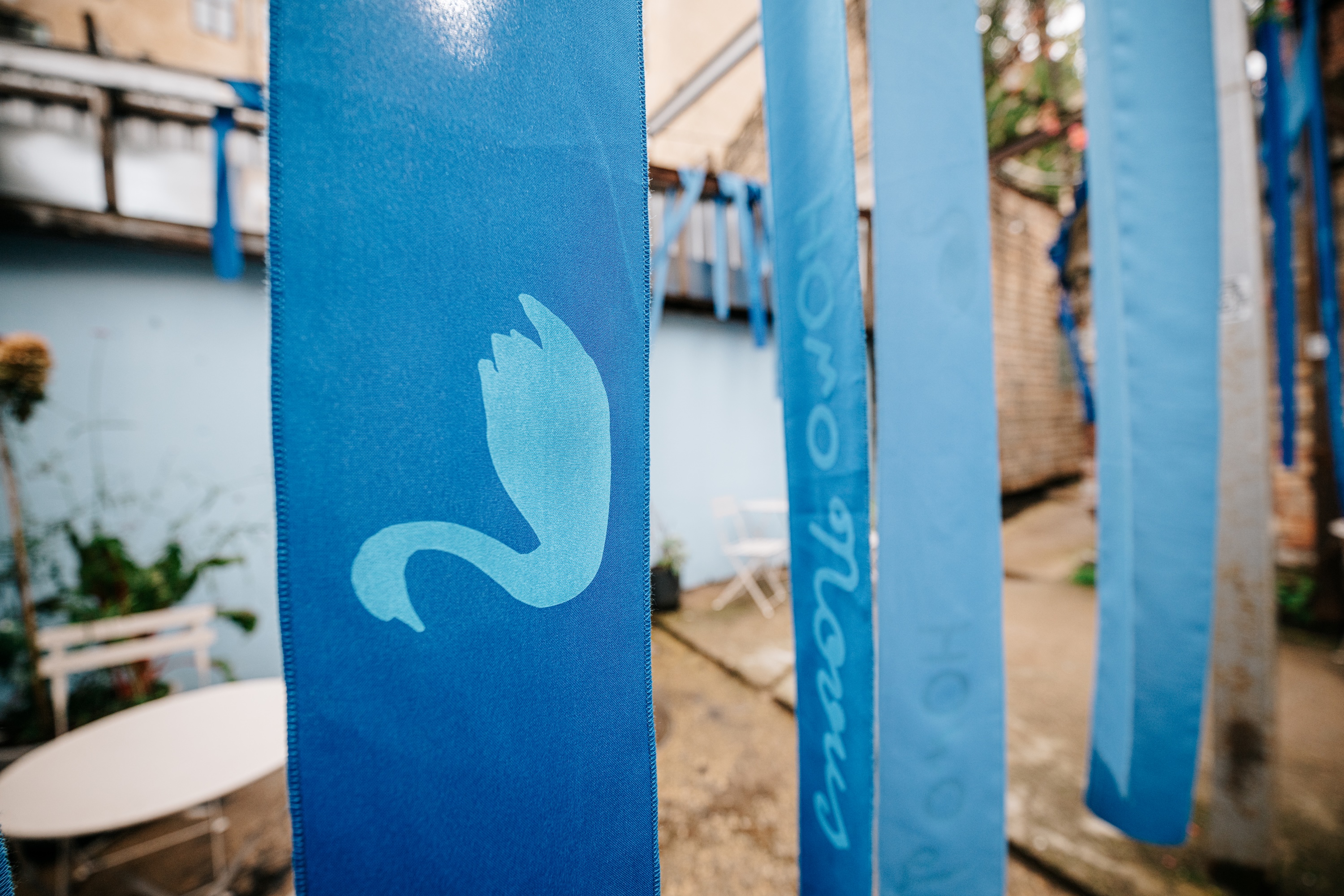
The festival’s symbol expressed this idea beautifully. It was a swan chosen by artist Estere Betija Grāvere. The swan is a calm observer that lives between water, land and air. It reminded the festival team and visitors that we do not always have to hurry. We do not have to see and do everything. We hope our audiences also found time to pause, stay with their experiences a little longer and avoid making quick judgements.
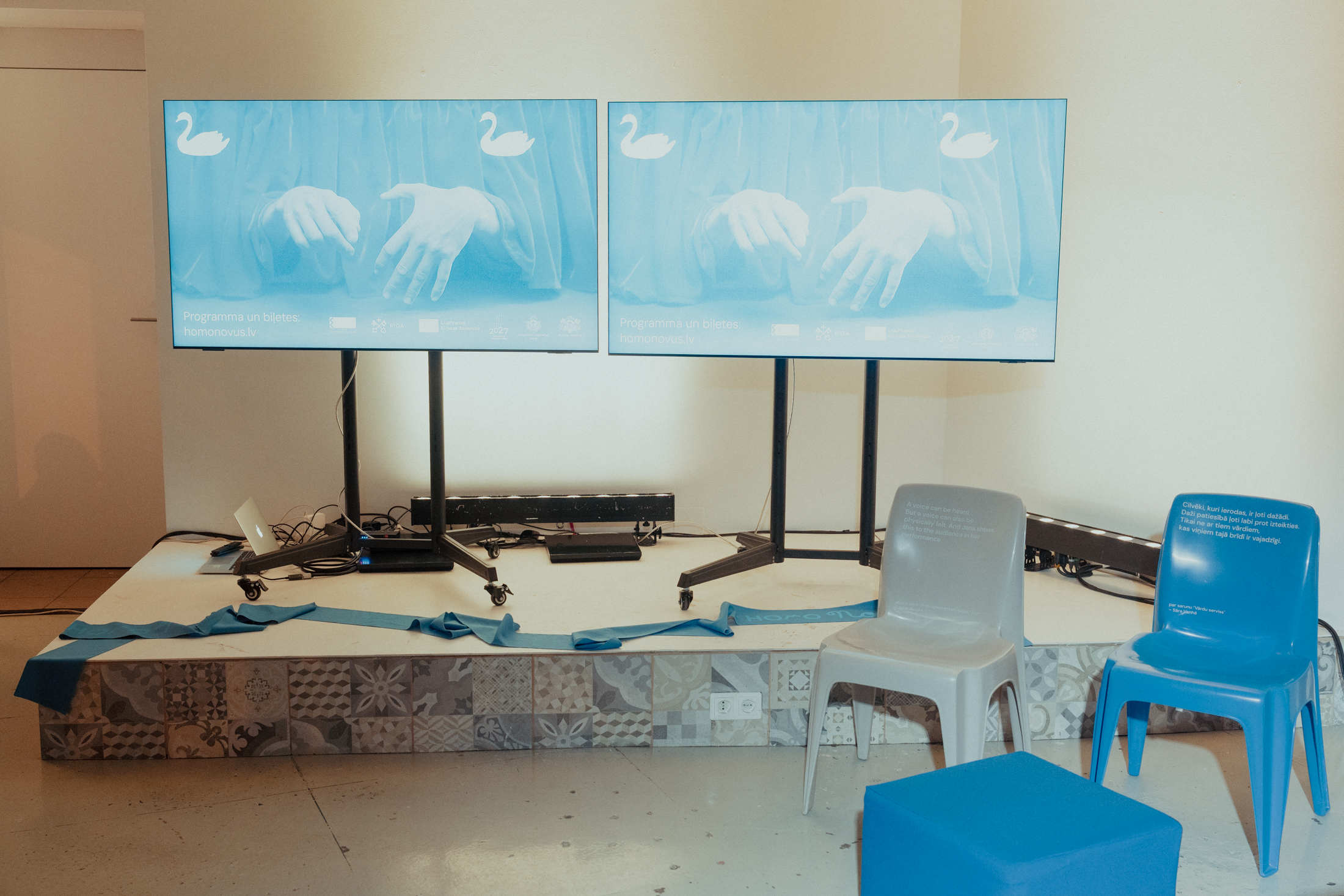
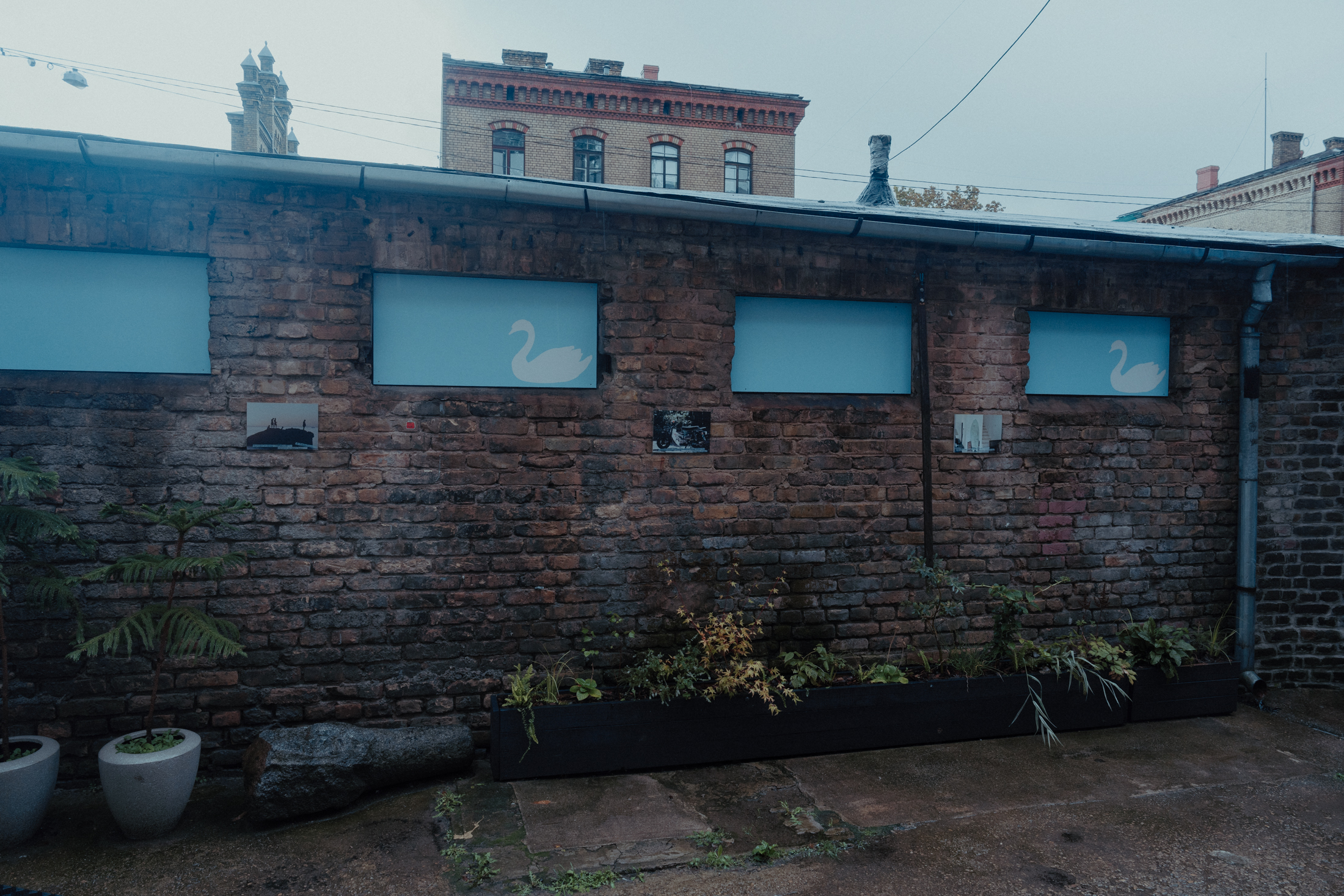
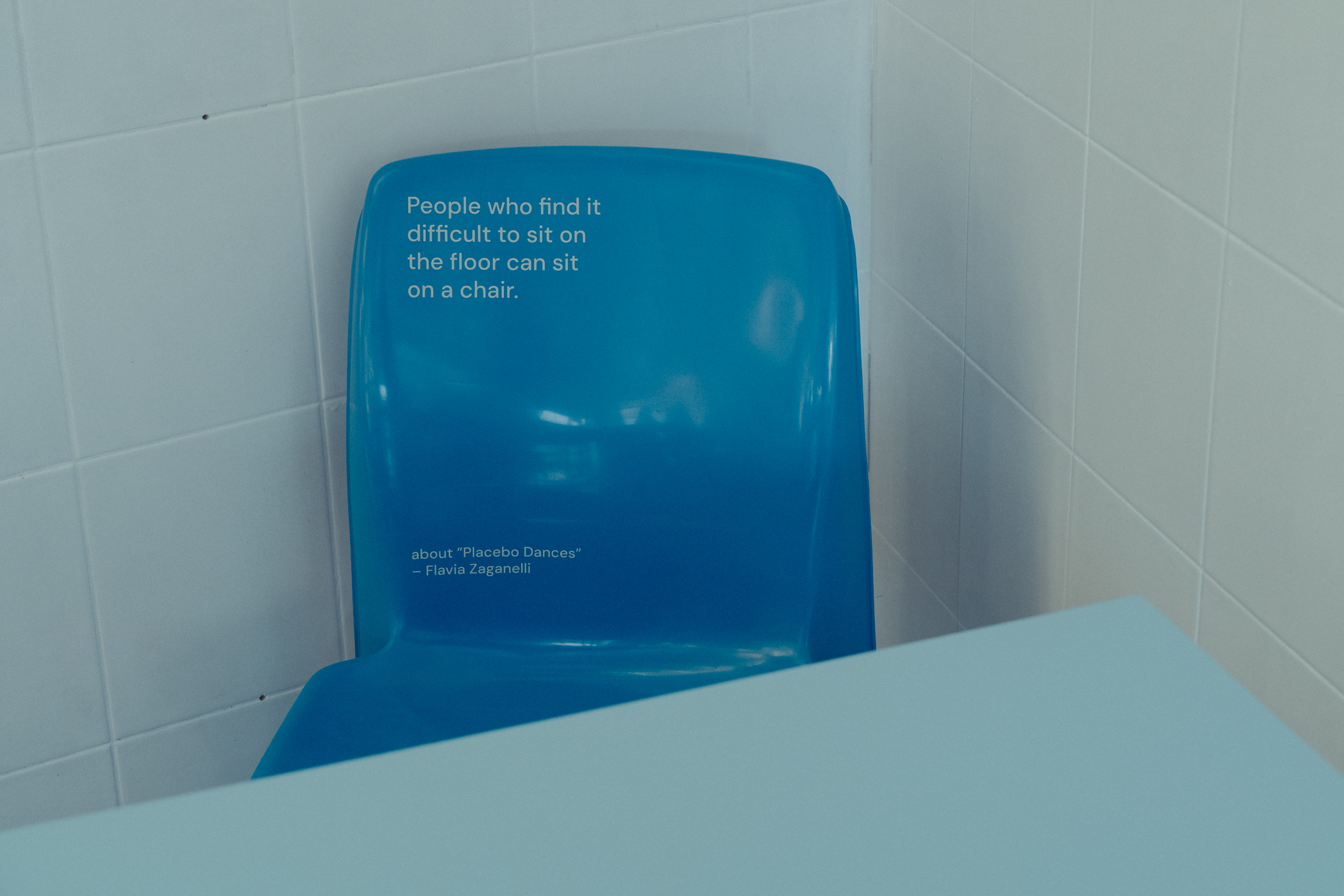
This year, we spent a lot of time thinking about how people can share an experience even when their bodies, abilities, life experiences and ways of seeing the world are different. We are especially happy that we were able to welcome people who have often had few opportunities to experience contemporary art. Making events accessible to people with visual impairments was an important part of this year’s programme. We are grateful to everyone who came to the adapted performances in Līvāni, Strazdumuiža and other places.
This work would not have been possible without people from local communities. They tested the artworks during artist residencies and worked together with contemporary artists. Together, they showed that making art more accessible can also lead to exciting artistic ideas.
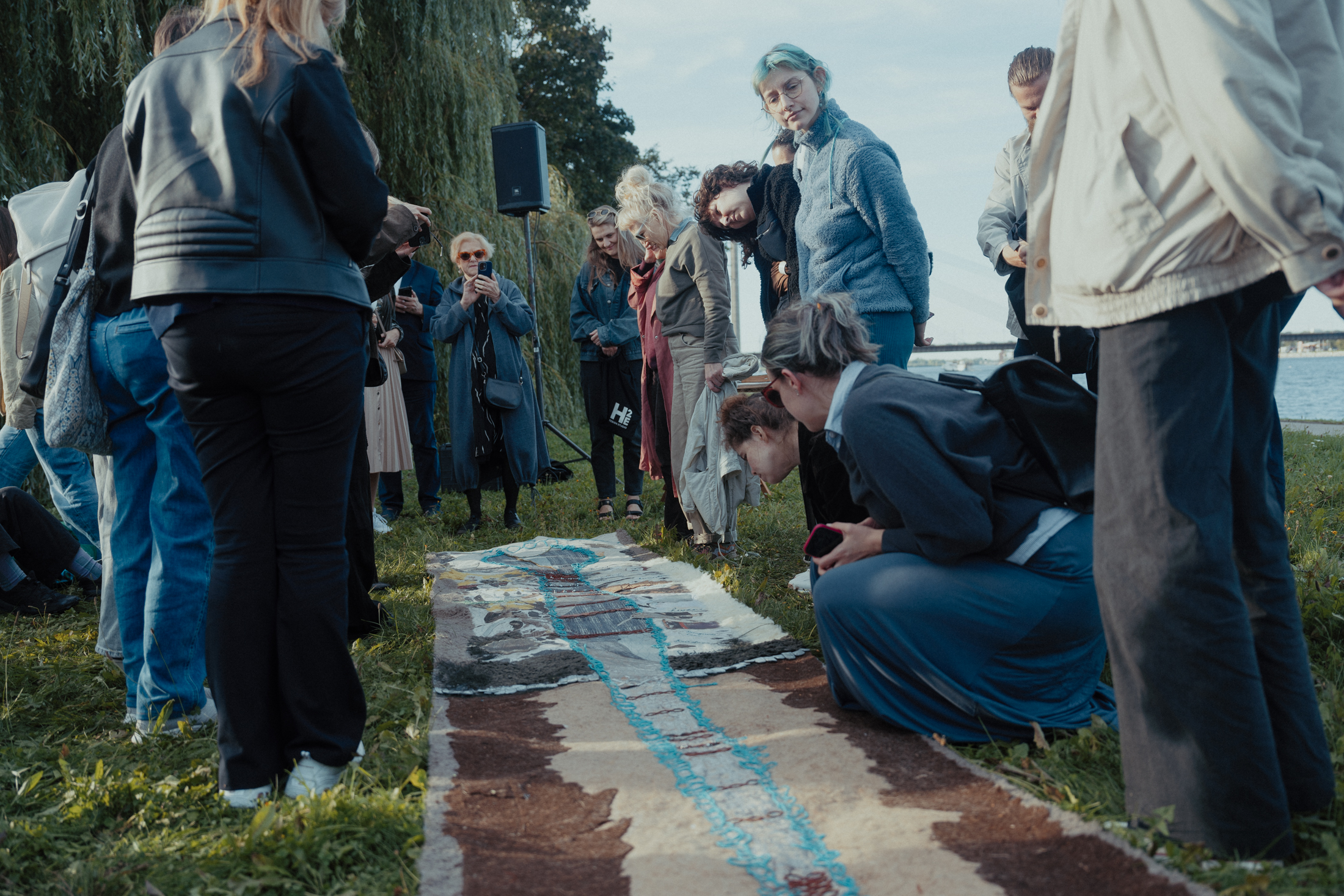
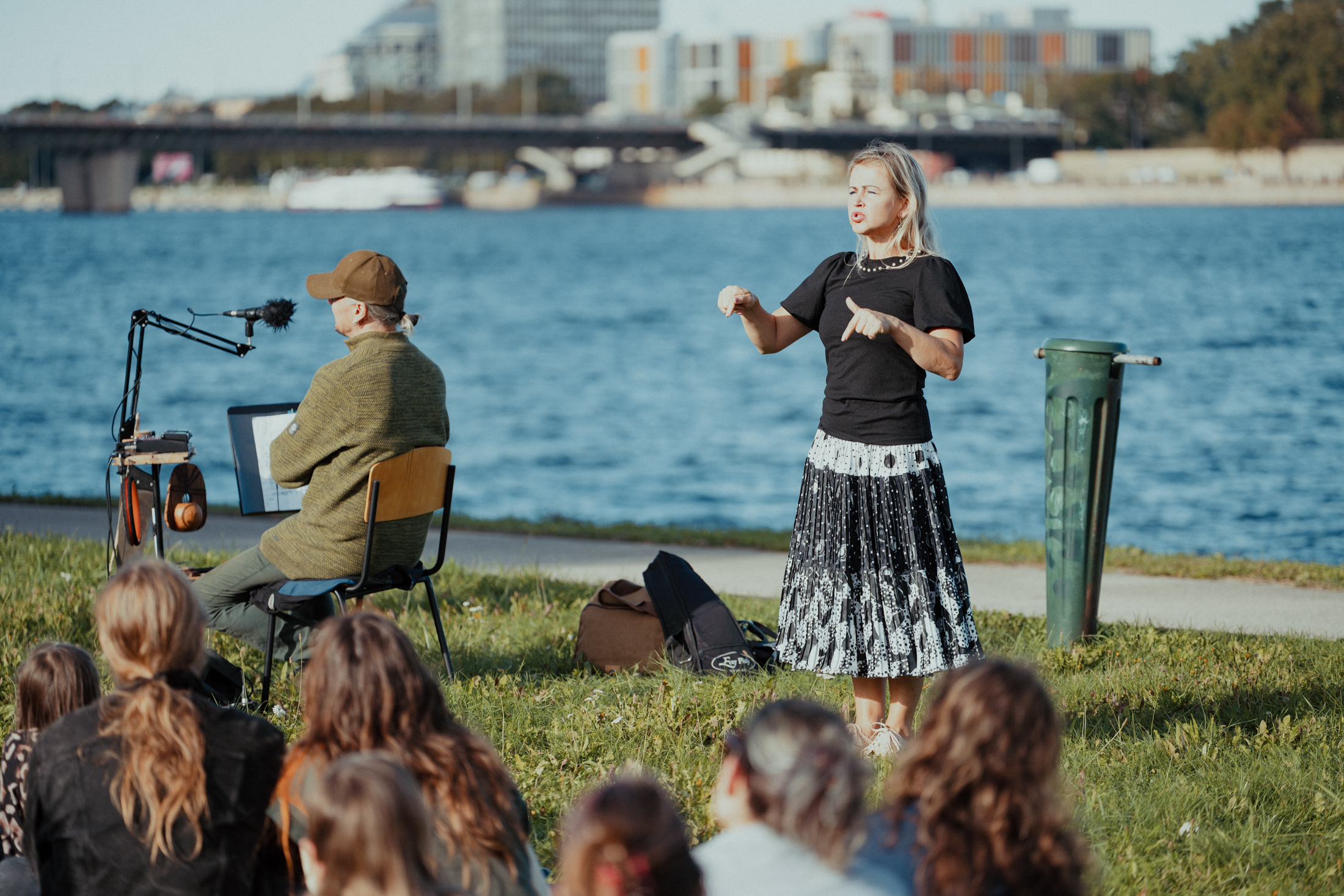
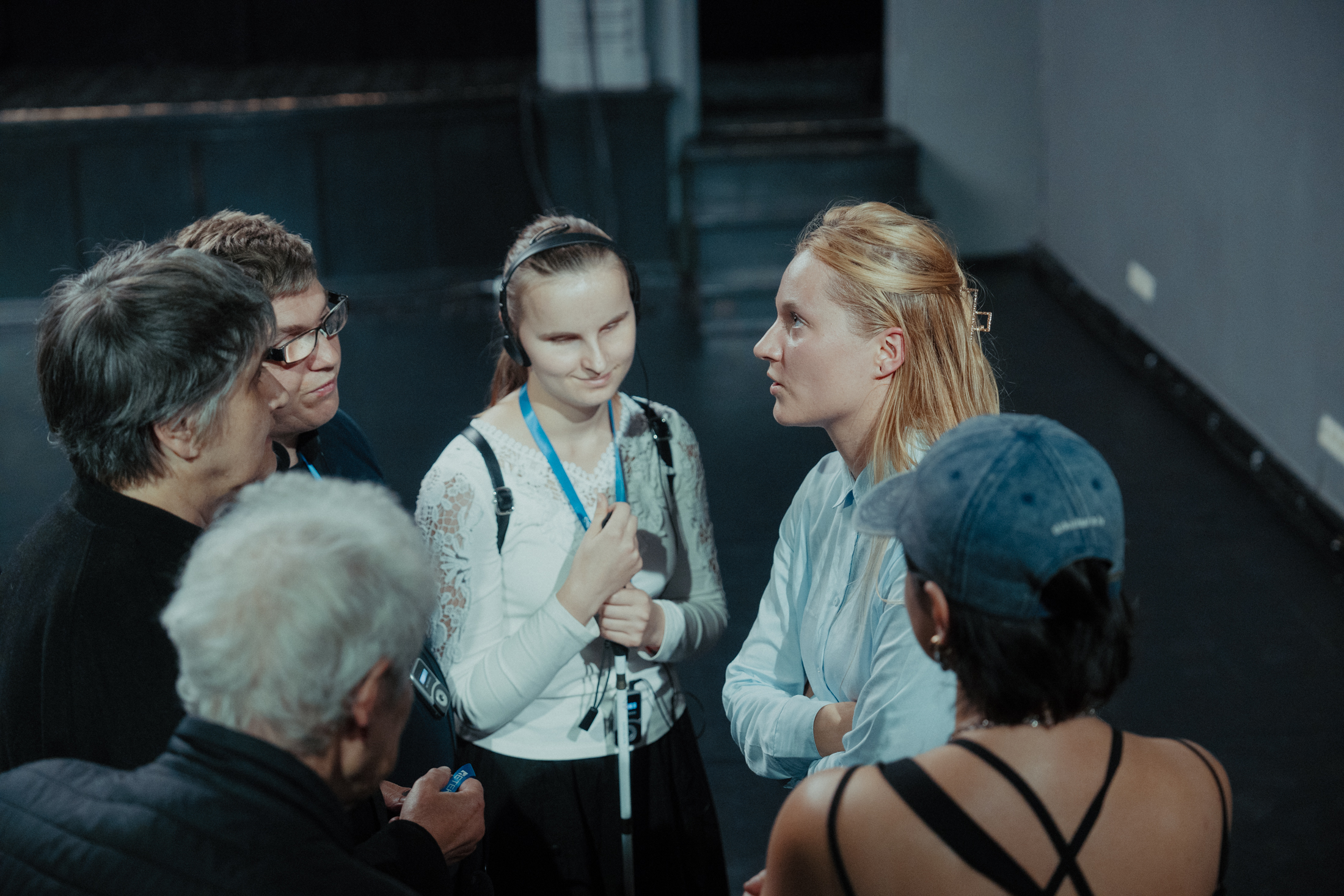
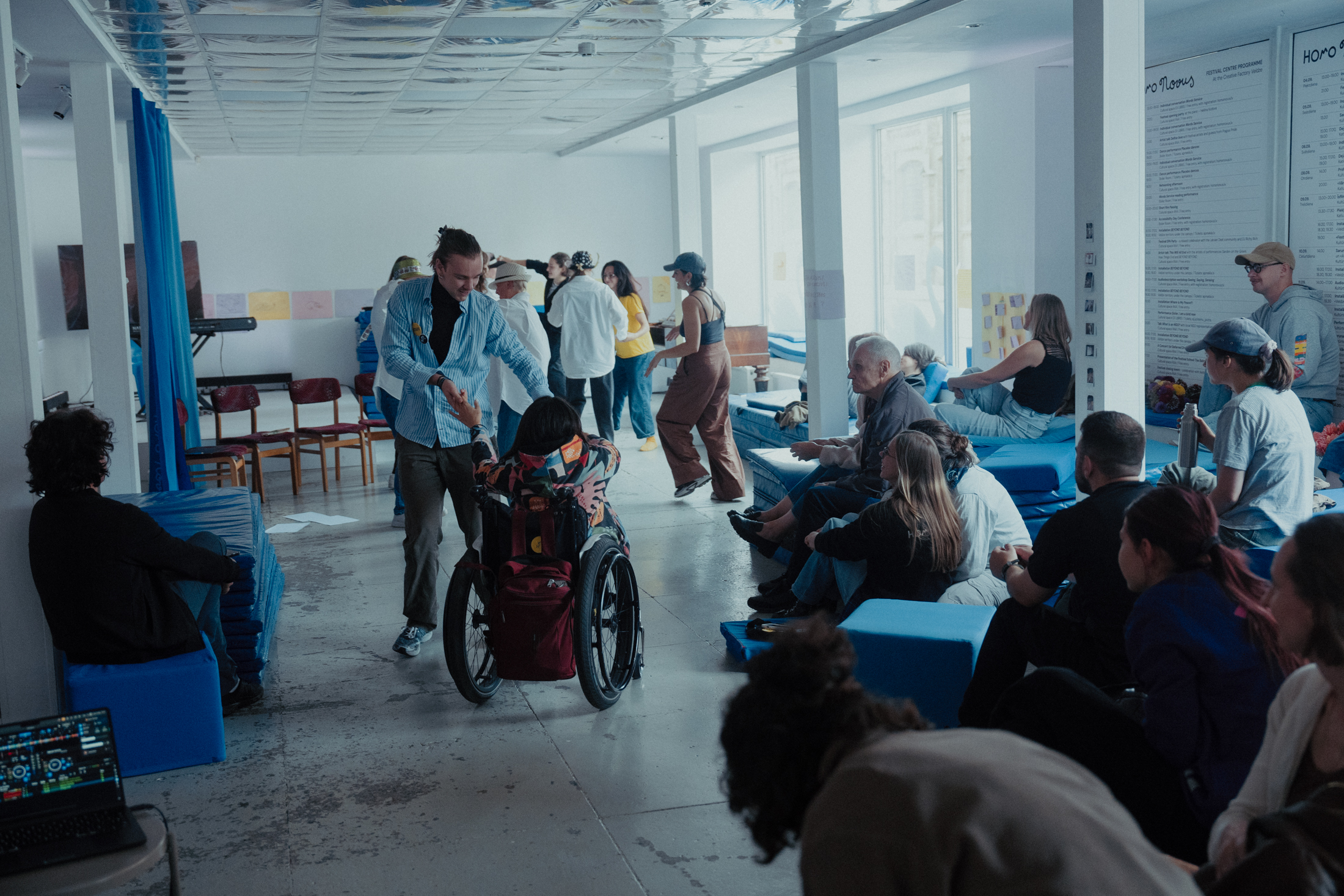
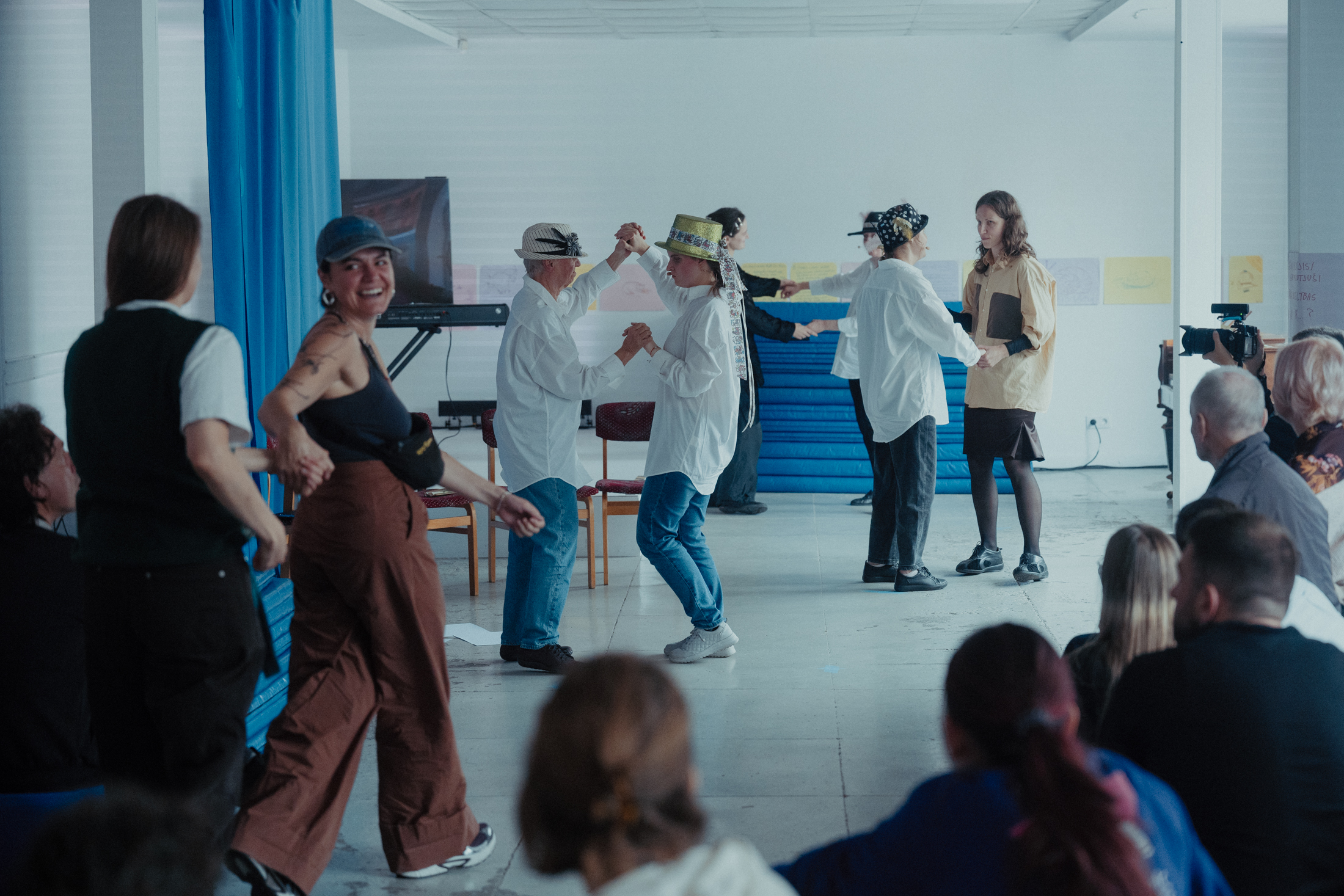
We learned many new things along the way. For example, we discovered that Easy Read language can inspire artists to find new and poetic ways of expressing ideas. It can also make art more accessible for many different people — not only those who find some information difficult to understand, but also people of different ages, international visitors and anyone who does not have much time to read a long description during a busy festival. The festival brochure in Easy Read.
We also learned that a relaxed performance can be just as powerful as any other performance. We thank the artists who took a chance and tried this format for the first time, as well as those who already use it regularly.
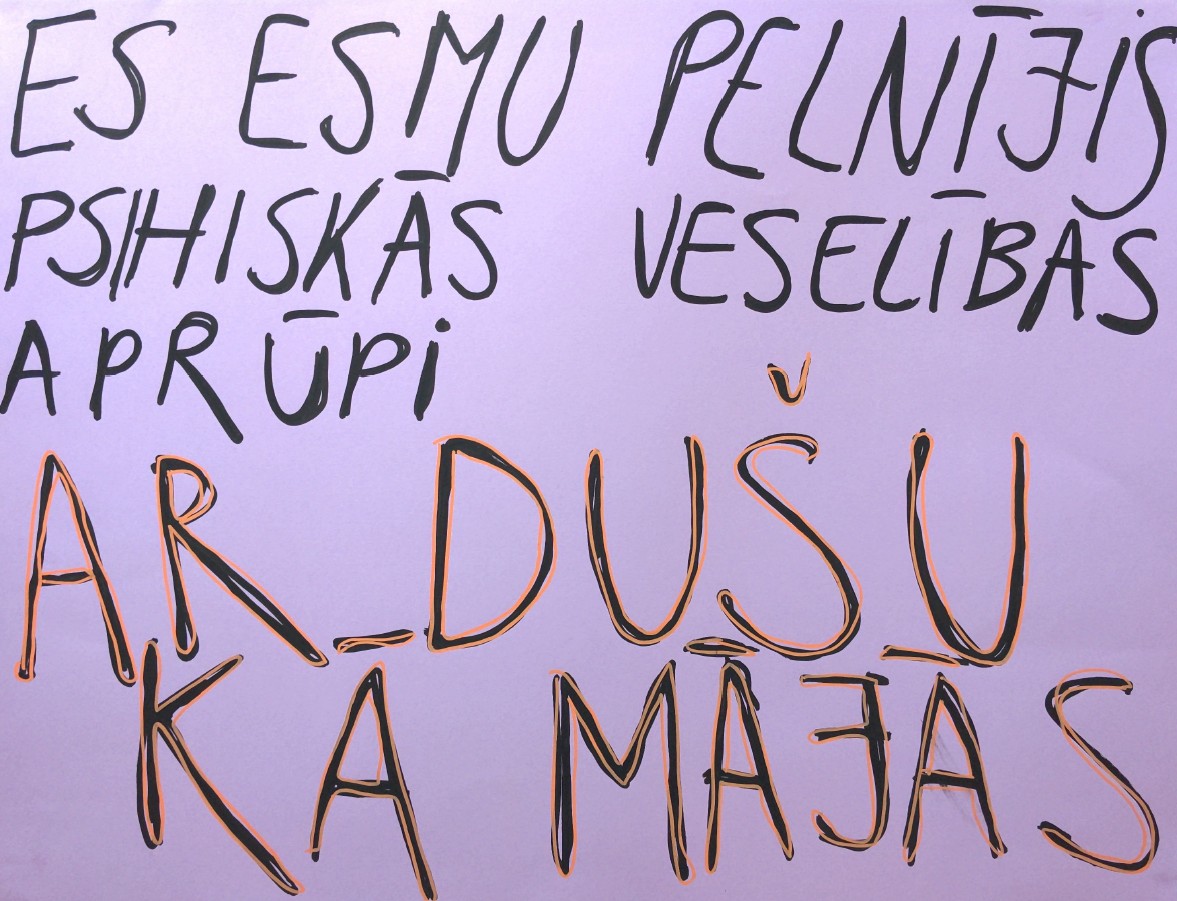
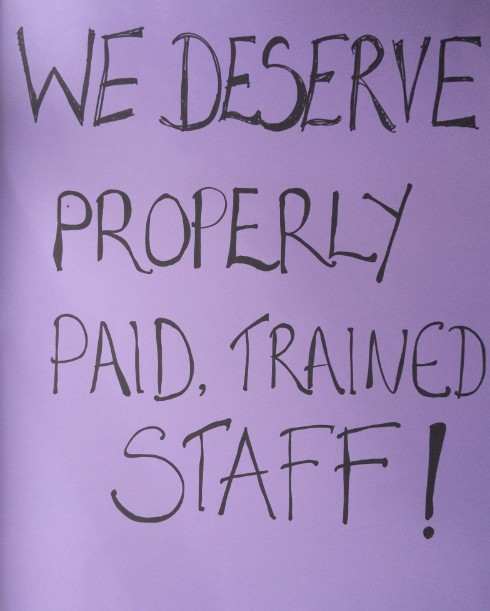
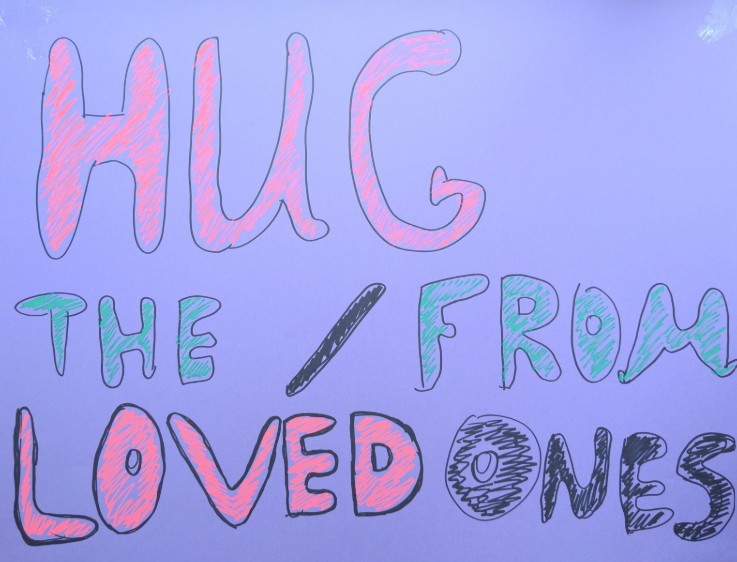
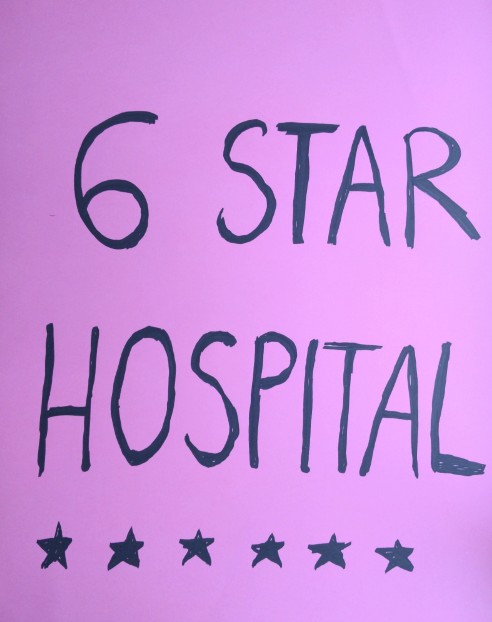
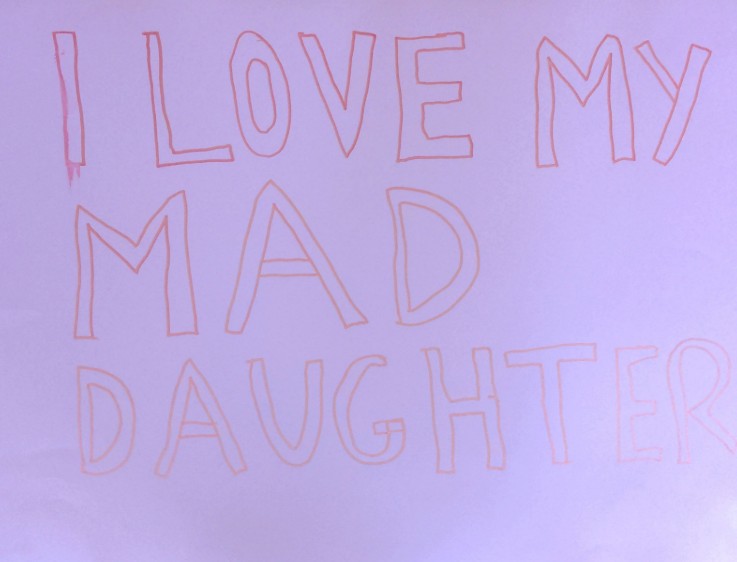
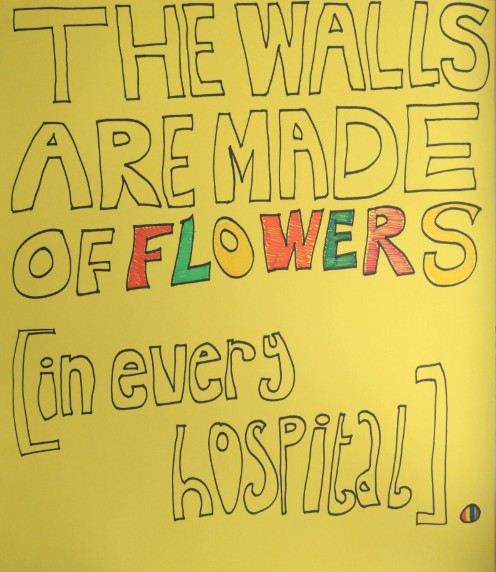
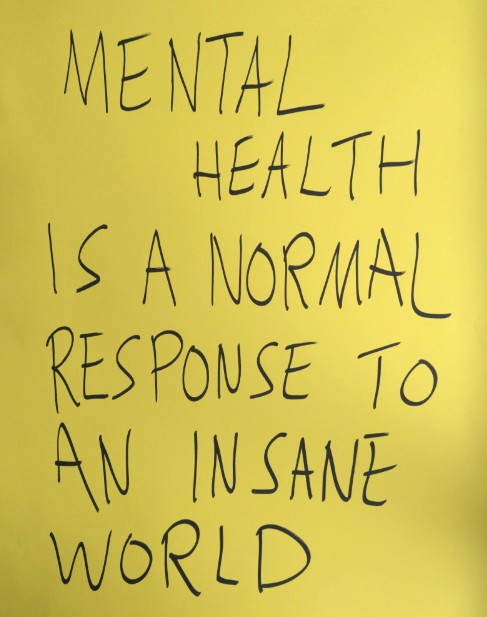
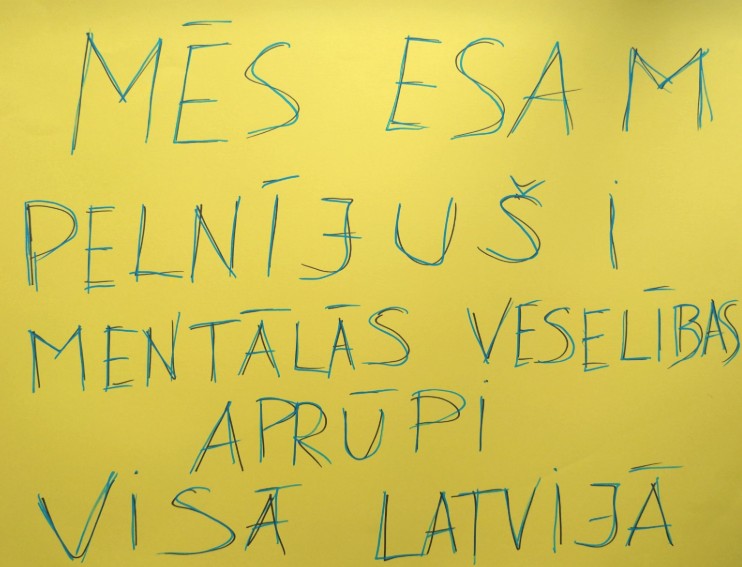
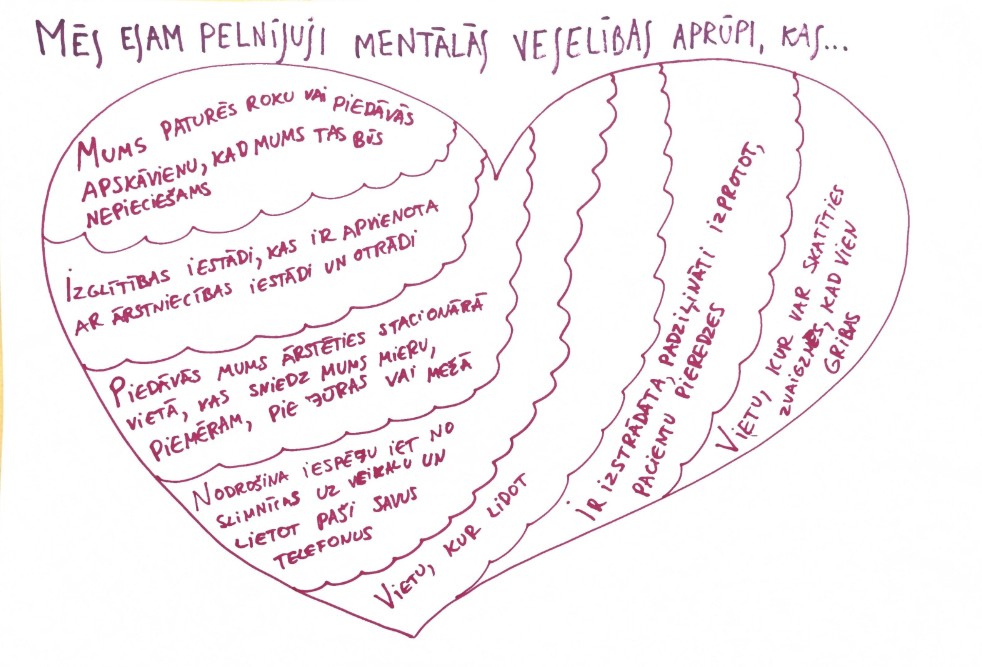
The participants of the Festival School also taught us an important lesson: slowing down does not mean staying silent. On the festival’s final day, they turned the festival centre into a space for protest. They made loud and urgent demands for better mental health care.
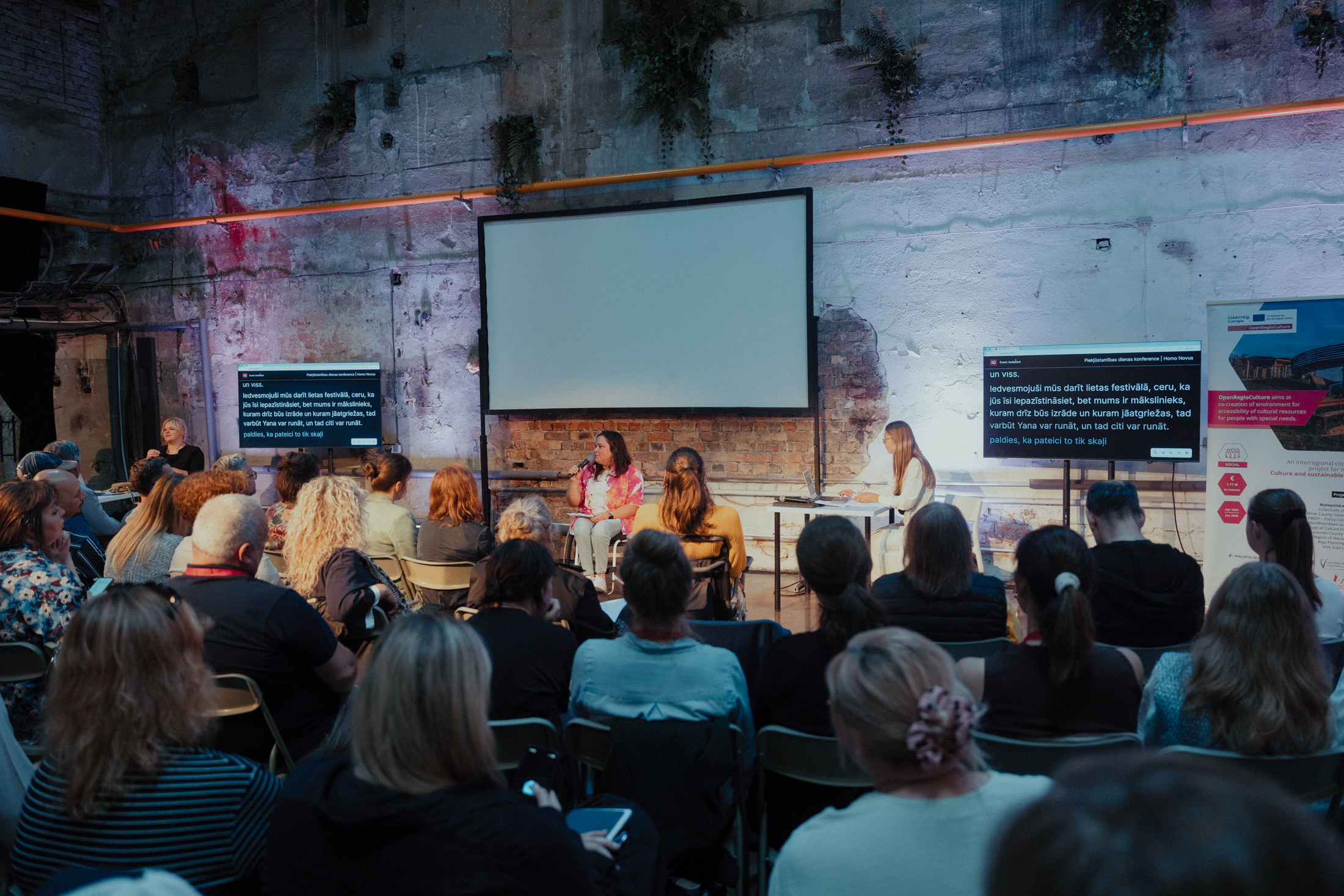
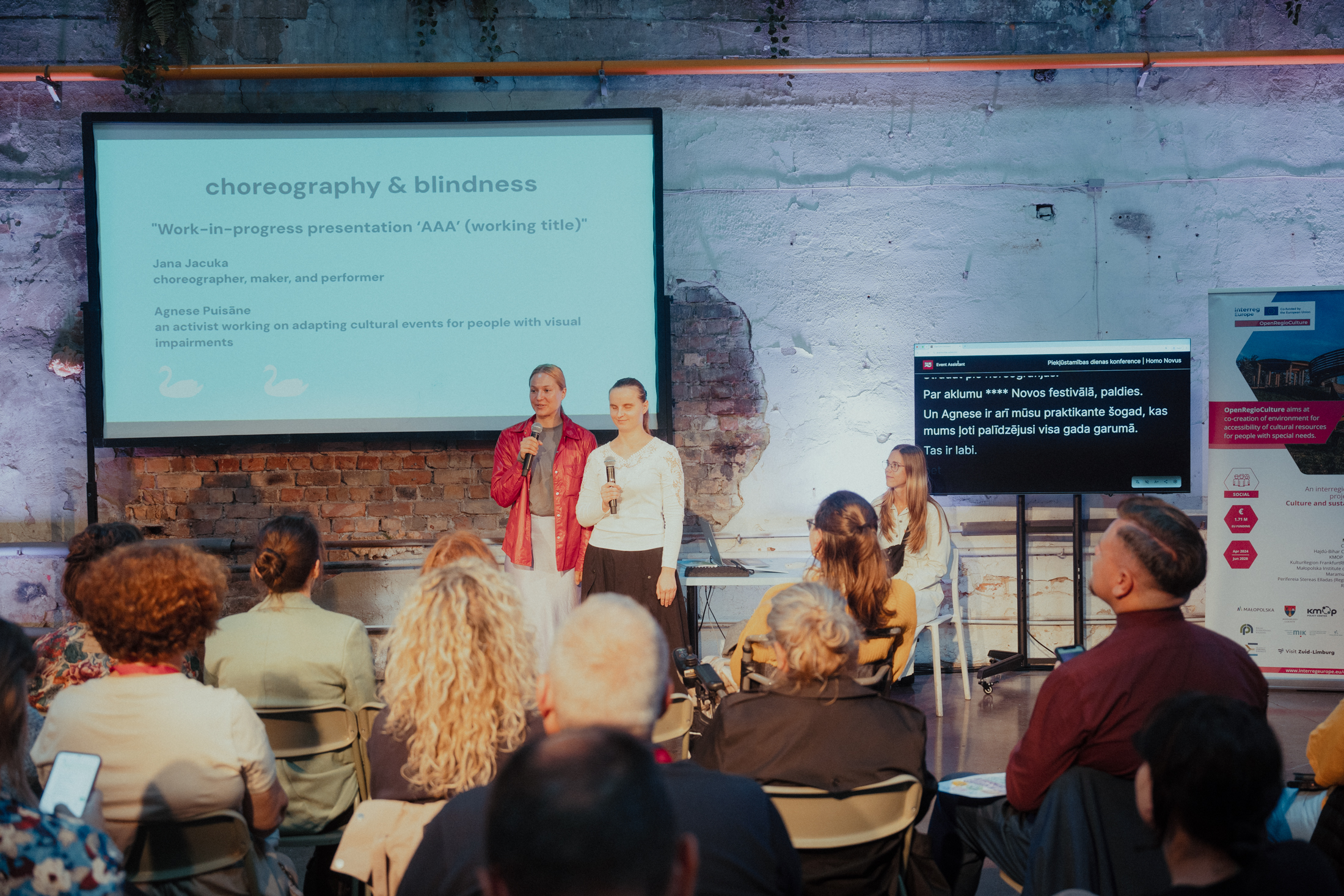
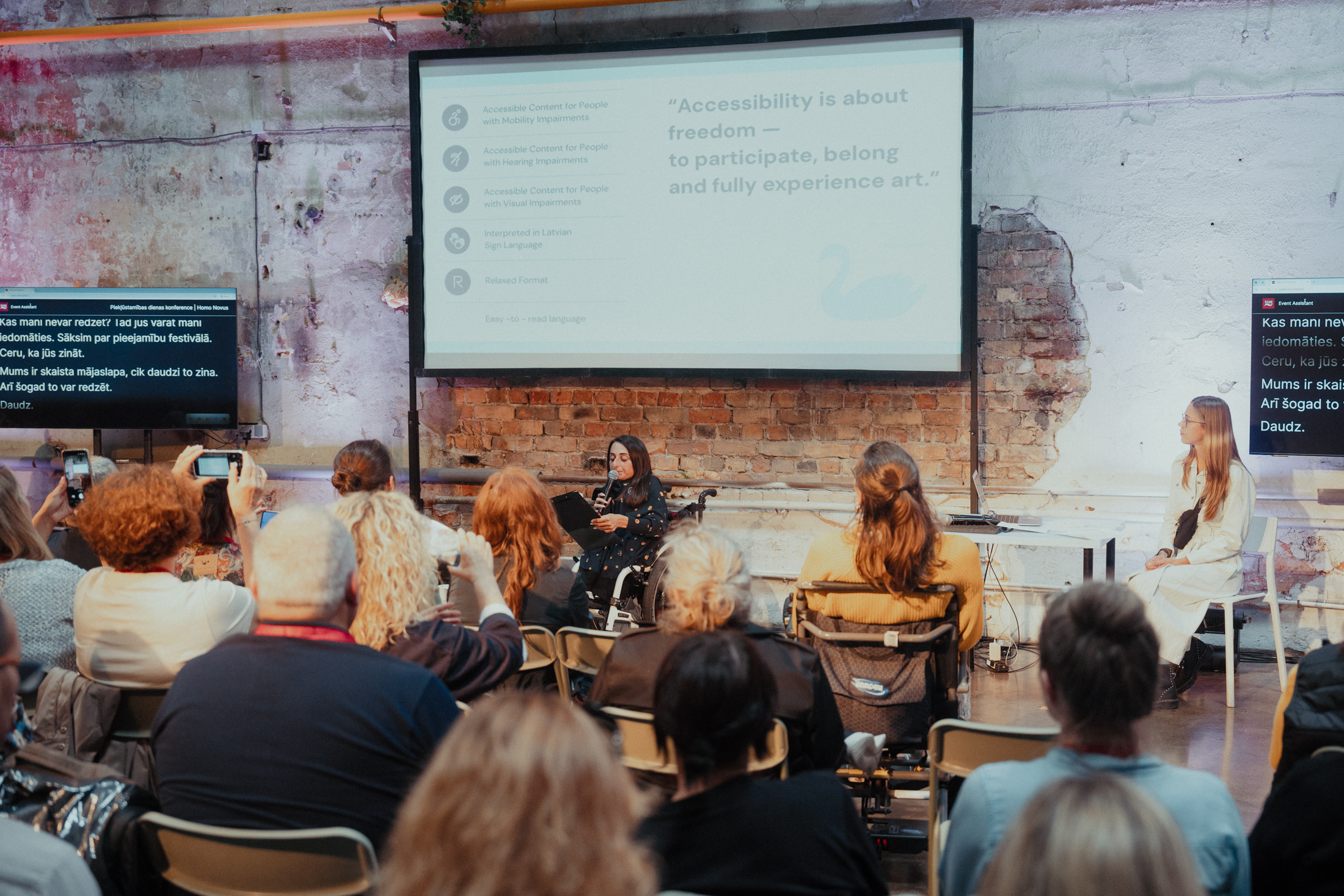
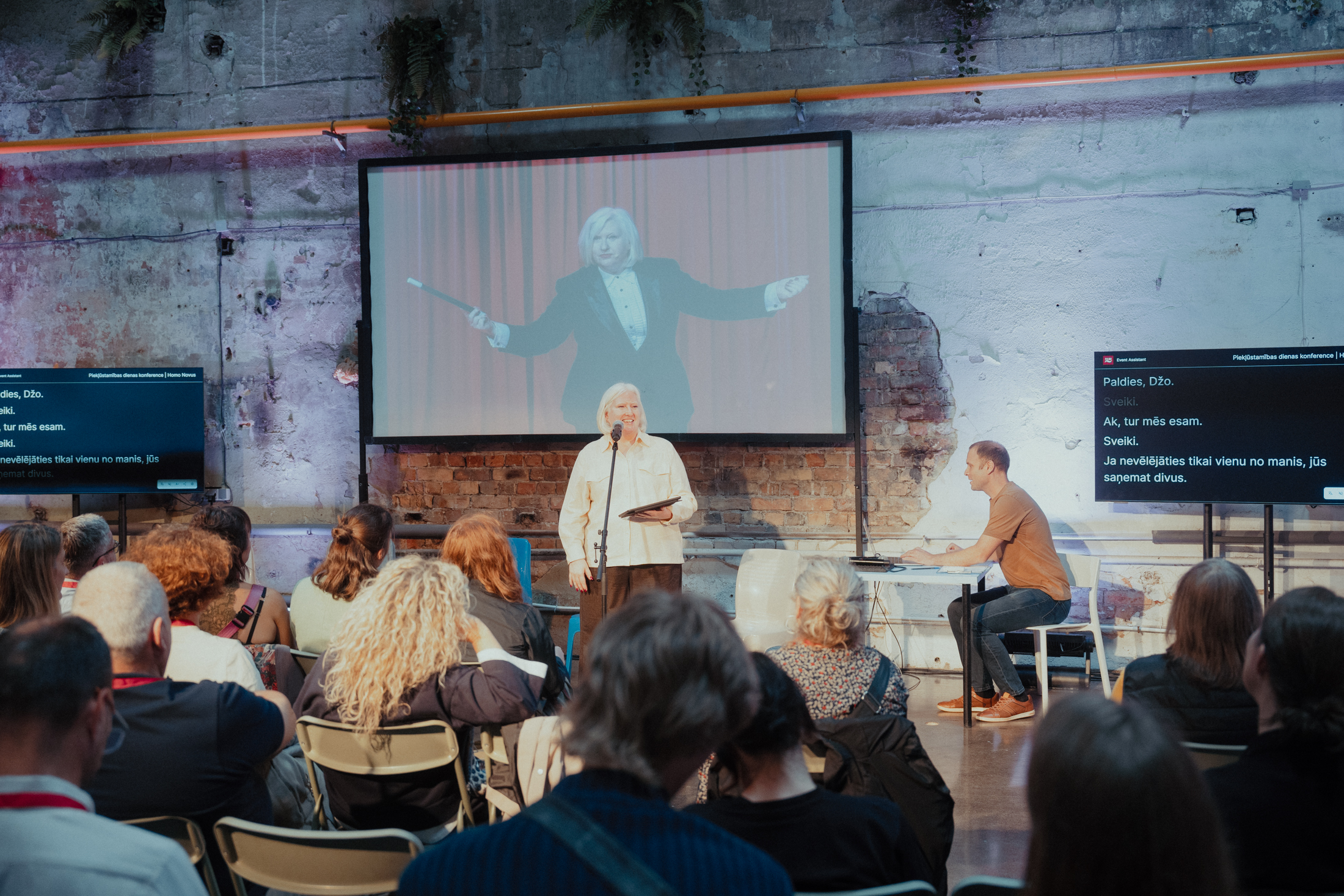
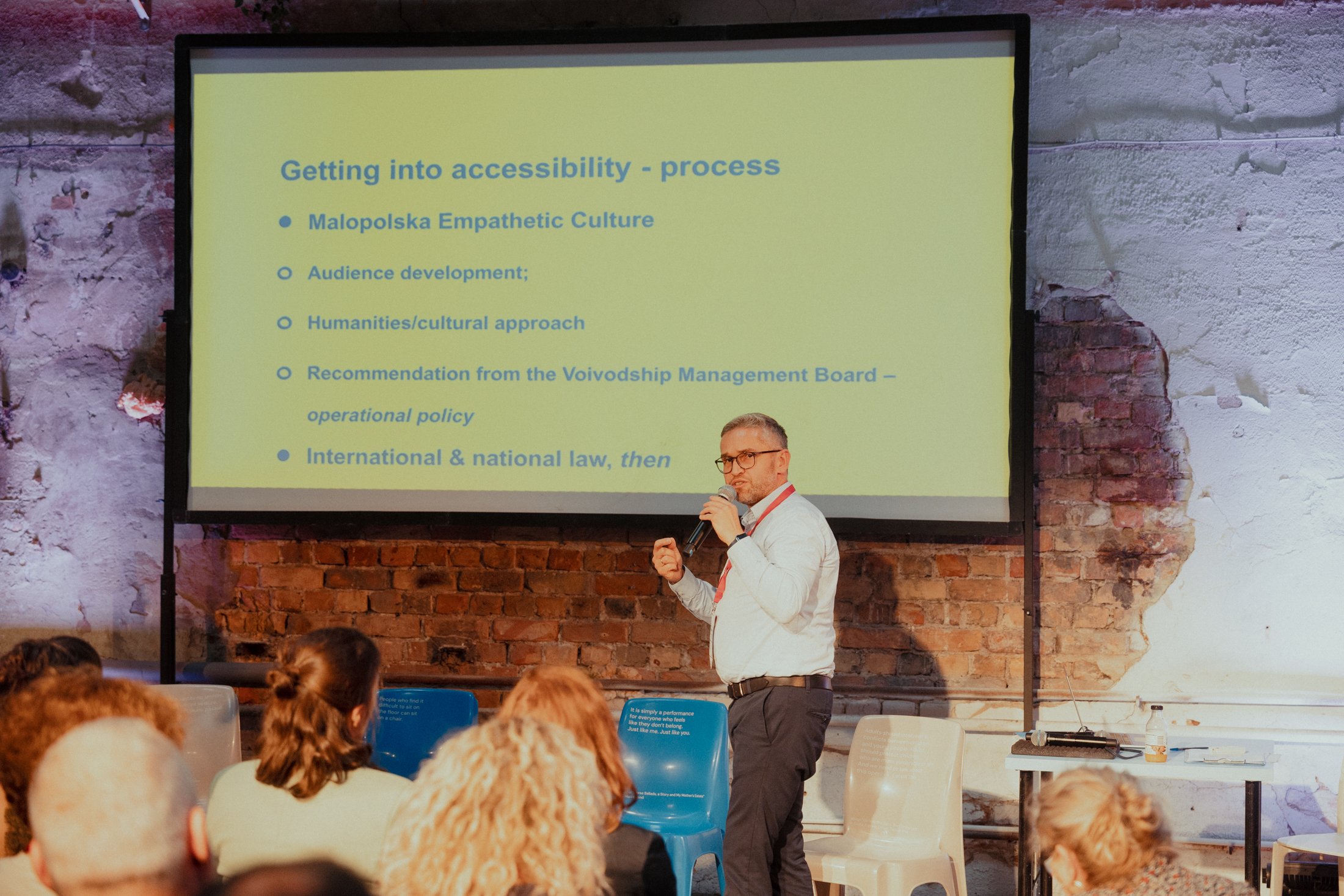
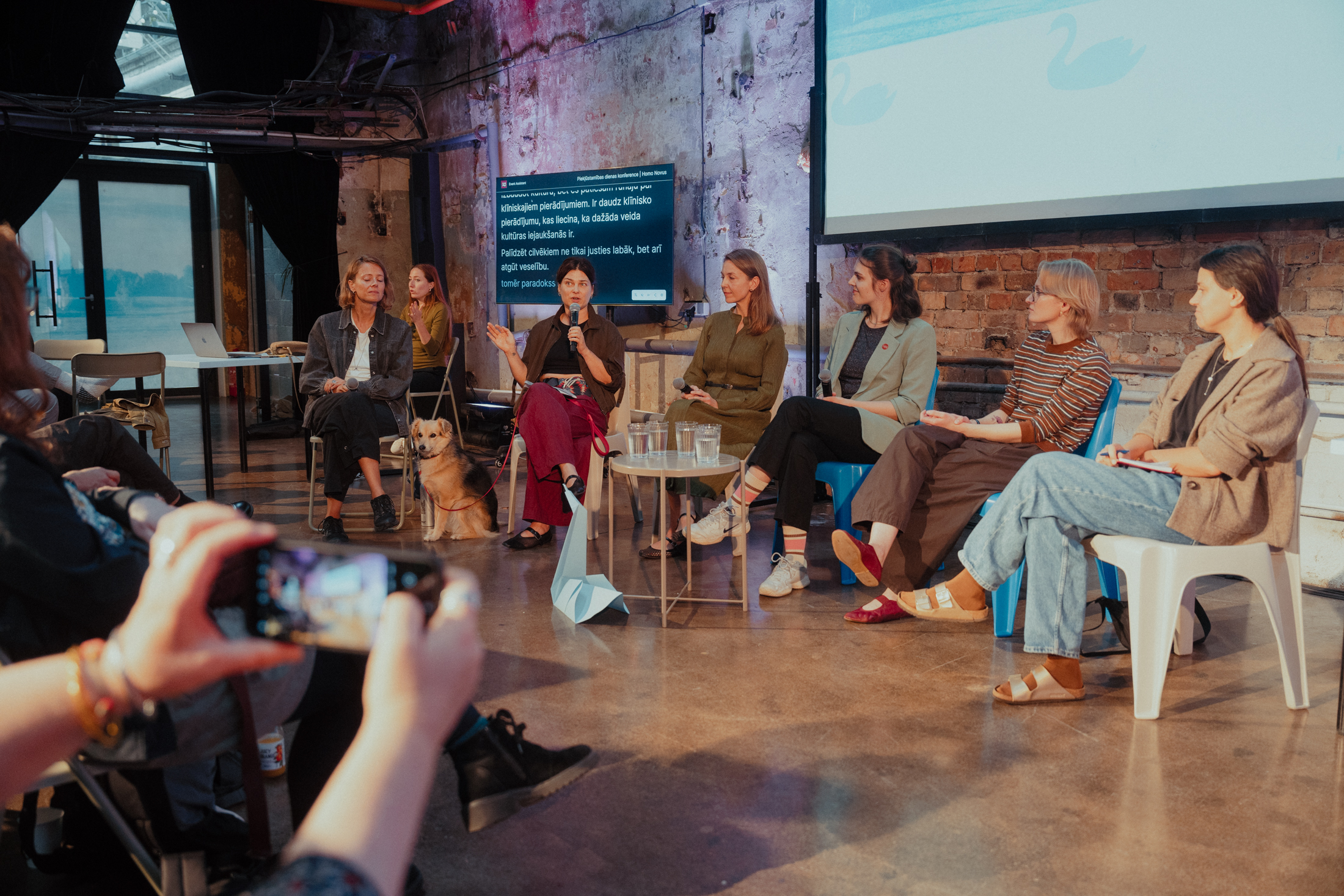
In the middle of the festival, we had a chance to stop and share our fresh experiences with accessibility experts from nine European countries. Together, we discussed an important question: who is culture really for? We also explored how to make sure that people from different backgrounds can not only take part in cultural events, but also feel welcome and accepted.
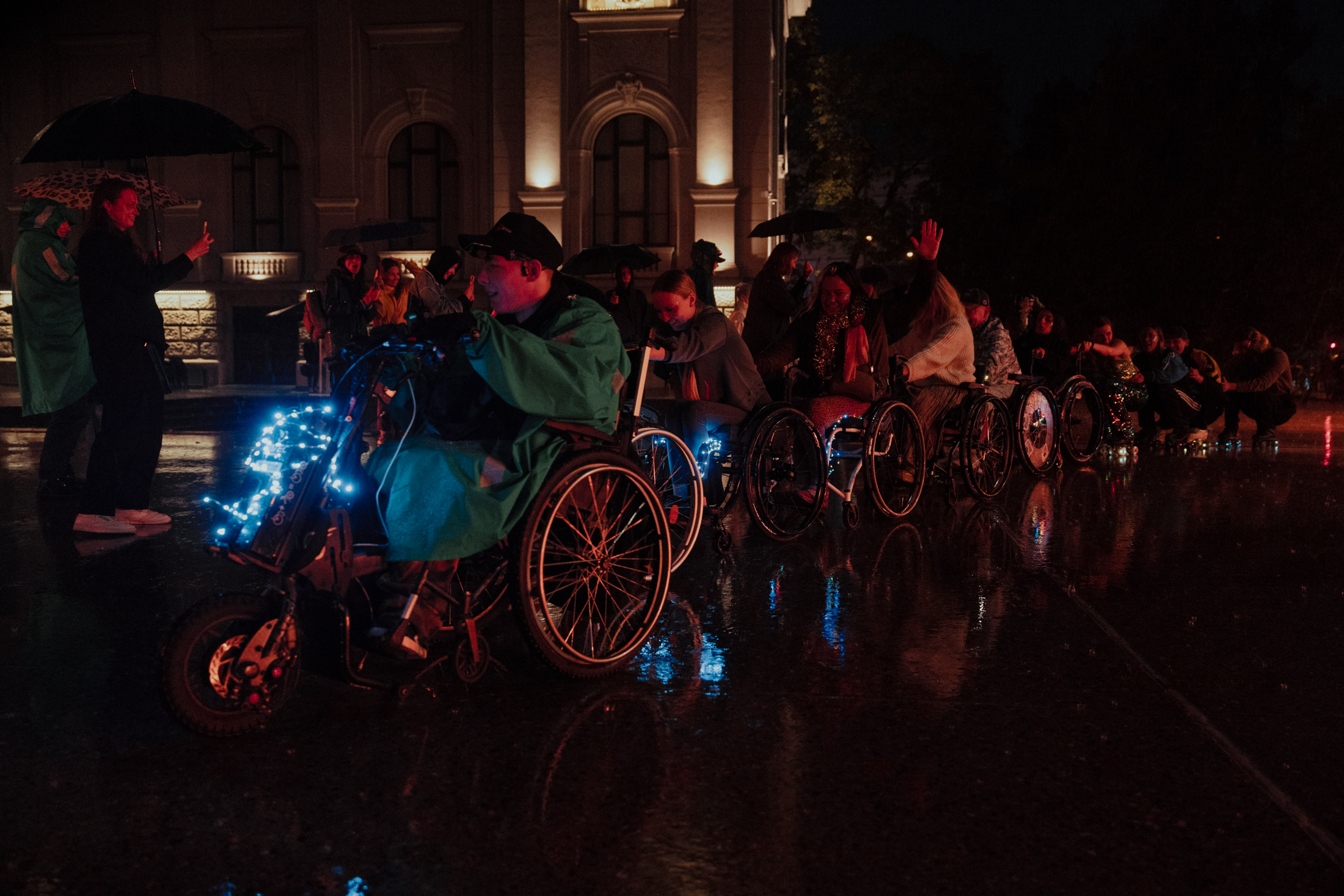
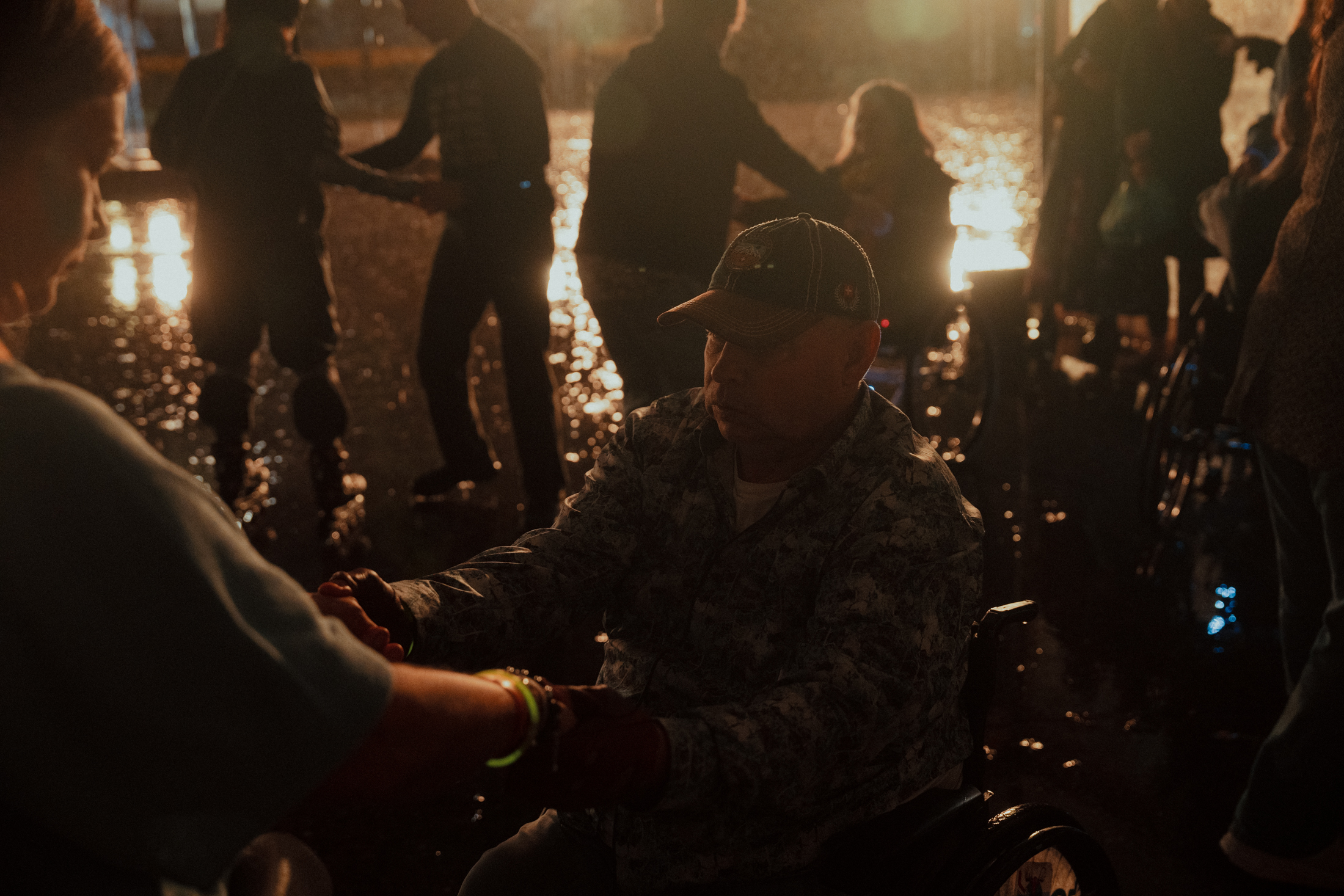
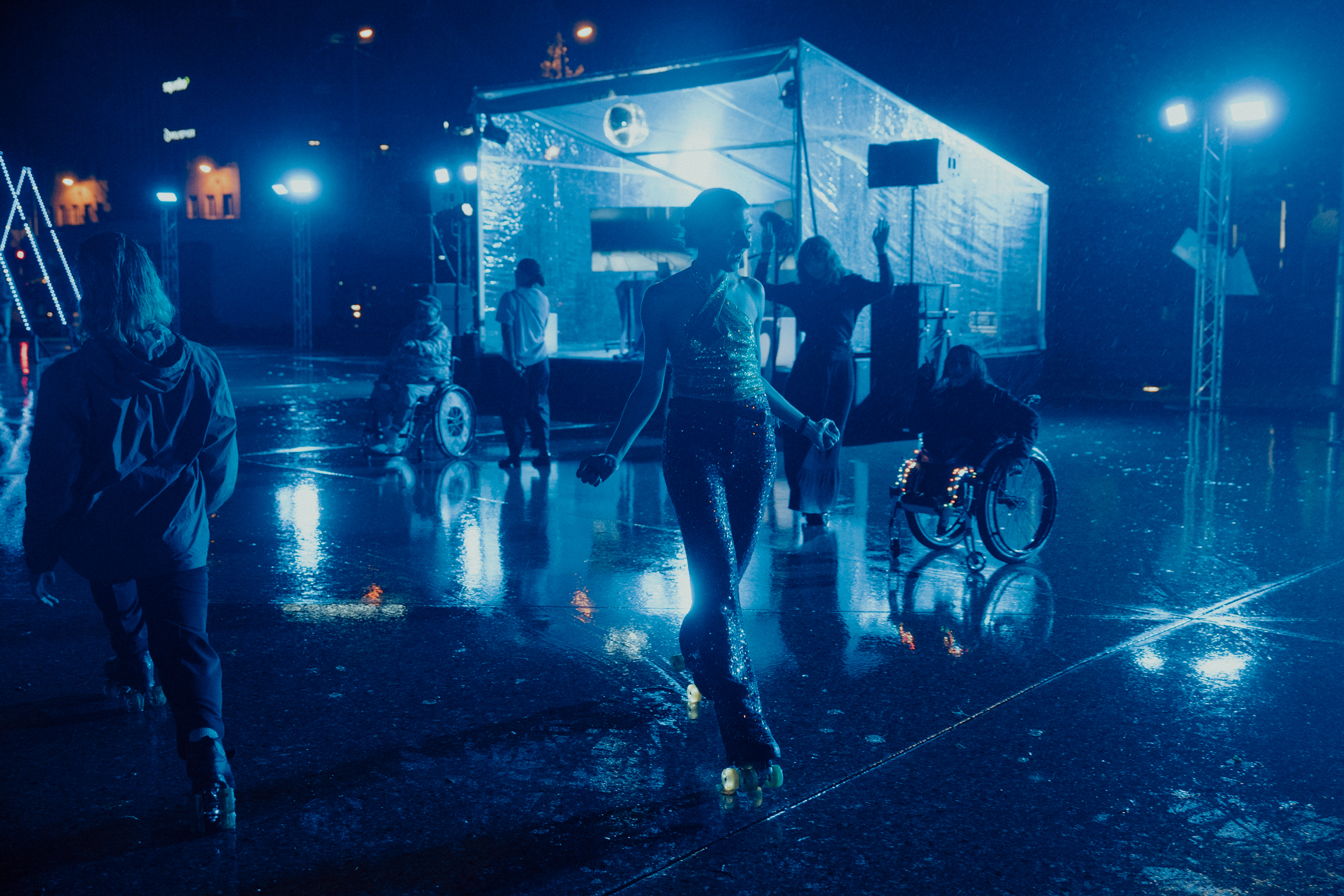
Above all, Homo Novus is a celebration. It brings together performing arts, artists and audiences. This spirit was especially strong during an evening with the artist collective Diamond Bikes. Heavy rain did not stop our White Night party. Instead, the energy grew even stronger. Wheelchair users and roller skaters danced wildly outside the Latvian National Museum of Art and showed just how much energy and determination they had.
Finally, the festival organisers would like to thank everyone who helped make the festival happen.
Thank you to the artists, their creative teams, our supporters, the producers of the performances and all the volunteers who created such a friendly atmosphere behind the scenes.
Thank you to everyone who helped make this festival a little lighter!