Interview with Magic Carpets artists – intro, process, and changes throughout the projects.
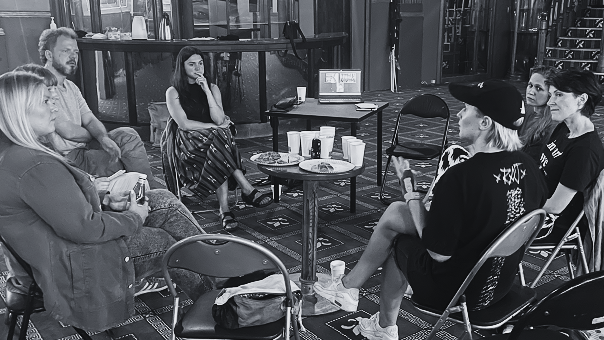
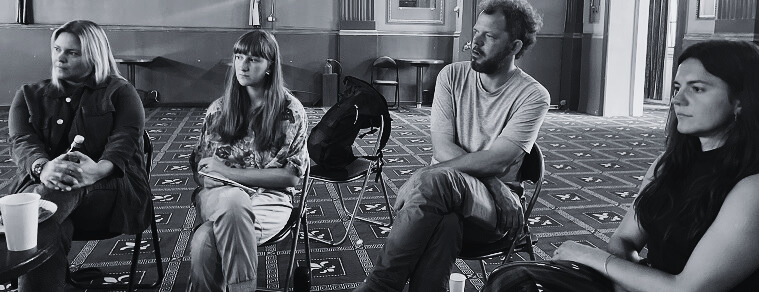
New Theatre Institute of Latvia invited artists – theater makers Paula Pļavniece, Vita Malahova, Modesta Jakeliūnaite, video artist Elīna Matvejeva, dramaturg Dāvis Kaņepe, and visual artist Eva Vēvere, who worked in local residencies and participated in “Magic Carpets” residencies abroad for a reflective conversation with the curator Linda Krūmiņa and producer Sandra Lapkovska.
Linda: Could you provide a brief overview of the residency process?
Elīna: I am Elīna, and in Magic Carpets residency, I collaborated with Modesta, we worked together with youngsters and seniors from Ķengarags – a neighborhood in Riga. In the beginning, we intended to work with youngsters, but it was quite hard to reach them because it was summertime, and everyone was busy. Therefore, we worked with seniors, and then we reached some youngsters in Daugmale, which is like a children’s and teenagers’ day center where they can spend time.
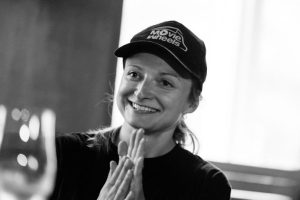
Elīna Matvejeva. Photo by Agnese Zeltiņa
Modesta: Yeah, we were working with seniors and a group of youngsters, and from the outset, we aimed to create a Ķengarags meeting map, brainstorming the most intriguing gatherings for them to explore more of Ķengarags. One of the youngsters, Santa, found us through the flyers we distributed around Ķengarags.
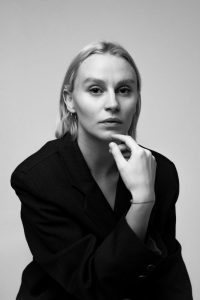
Modesta Jakeliūnaite
Eva: We worked in both institutional settings- one really restricted, close, and in the open center in Mucenieki, both in Riga and Daugavpils. We were going there with our ideas on how to get to know each other better. My name is Eva. I’m a visual artist, and in this residency project, I collaborated with Vitas’ team, focusing on working with asylum seekers, specifically those who aren’t Ukrainian asylum seekers, such as individuals from Africa and the Middle East. We worked in both institutional settings: one highly restricted and closed, and another in the open center in Mucenieki, both in Riga and Daugavpils. Our aim was to facilitate a space to get to know each other better.
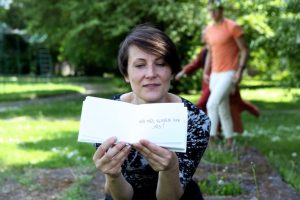
Eva Vēvere
Vita: My name is Vita. As Eva mentioned, we were working with asylum seekers. To clarify, we worked in what is called an ‘aizturēto centrs’ in Latvian, which translates to a detention center, resembling a prison environment, though it’s not labeled as such. Additionally, we worked in a center where individuals were granted short-term permission to stay in Riga. These two settings provided different circumstances for the people we engaged with. Long story short, the idea to explore this topic emerged from my interest in understanding what it means to be local, which was connected to my personal experience of living in various places. I was particularly interested in exploring the art of welcoming people, which, to me, is integral to being local – the ability to extend hospitality to others. Fortunately, Linda and Sandra listened to my wish and invited me to participate in this residency, which I utilized as research for a potential theater play. My vision is to collaborate with individuals who have experienced both unwelcoming and welcoming situations here in Latvia. Additionally, we collaborated with Non-formal Education Coach and Supervisor Lauma Žubule, making us a team of three.
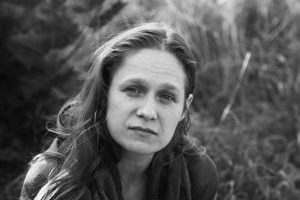
Vita Malahova
Lauma: I’m Lauma. I worked in collaboration with Eva and Vita. I contemplated the essence of our project. For me, it revolved around exploring forms, fostering empathy, and embracing diversity.
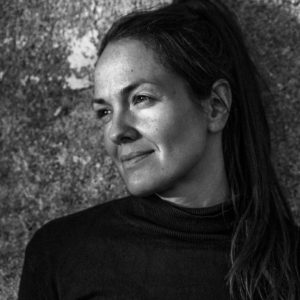
Lauma Žubule
Paula My name is Paula, and I’m a theater maker, specializing in narrative works, from the theater troupe “Kvadrifrons”. I participated in the Jelsa Arts Biennale residency in Croatia, specifically in the city of Jelsa, with the aim of creating some form of performative opera. I collaborated with two Croatian artists, Anna Leiko and Andrei Vištek, and together, we also served as mentors. I had the opportunity to mentor five other artists, which came as a surprise to me; I didn’t expect to take on such a mentoring role, almost like a teacher. Initially, they put out an open call and received applications from around forty artists. The applicants came from various backgrounds, mostly from the visual arts, but also including a French musician, two Croatian dancers, an Austrian video game maker, and a Croatian installation artist. It was quite a diverse and eclectic group. In addition to our work with the artists, we also engaged with local children. We couldn’t directly engage with local children as we might have in places like Ķengarags. Instead, we partnered with established communities within existing institutions to include children in our project.
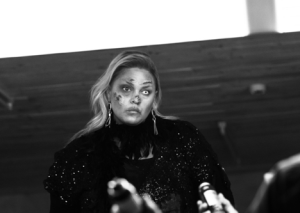
Paula Pļavniece
Dāvis: Hi, I’m Dāvis. Usually, I work as a narrator or dramaturg, but this time was quite different – it marked my first experience in a photographic journey, because I collaborated with the Tbilisi Photo Museum. Initially, they planned to send me to the Adjara mountains in Georgia. There, I would document the few remaining Muslim communities, largely unknown even to Georgians themselves. The original concept was to begin the project during a significant end-of-season celebration featuring horse riding, wrestling, and ethnographic exhibitions. However, tragedy struck in Radja when a massive landslide occurred, prompting a period of national mourning. Consequently, all festivals and events were canceled. This unexpected turn of events led me to immerse myself in a Muslim community where women don’t engage in conversation – a delicate situation that required me to reassess my approach. Eventually, I connected with the local youth who congregated in a central square. From there, I delved into their realities and encountered an activist whose story led me down several unexpected paths. I returned just last night, fresh from this intense experience, feeling like I’ve just emerged from this creative laboratory.
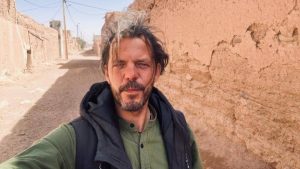
Dāvis Kaņepe
The highlight of my residency was meeting a young man whose grandfather, a local photographer since the 1970s, had recently passed away. This young man was gathering his grandfather’s negatives to create an archive – a significant undertaking given his grandfather’s prominence in the local scene. Despite never having had an exhibition in his lifetime, the Tbilisi Photo Museum expressed interest in showcasing his work. Together, we developed a small project. Since the grandfather was known for his photographs with a horse sculpture, a special symbol in the area, we decided to incorporate that into the project. We discovered that the actual horse sculpture was still in the garage, so one day, we cleaned it up and took it for a stroll through the village. As we walked, many villagers reminisced about seeing the horse and even mentioned having photos of it. Inspired by this, we embarked on a new photo series featuring the horse, connecting memories with present moments. Throughout this endeavor, I was alone for the most part. Although a curator visited for two days, and I briefly met another artist who was working in a different village, much of the project unfolded through my solitary interactions and collaborations with the local community.
Sandra: Was the artist also from “Magic Carpets”?
Dāvis: Yes, she, being more of a researcher, focused on a project centered on healers and women with knowledge of plants within the local society. Given her identity as a woman and her ties to the community, she delved into understanding the self-organization and structure of women within the local context.
PROCESS AND CHANGES THROUGHOUT THE PROJECT
Linda: I prepared a few questions to ponder, and you’ve already begun discussing the evolution of the ideas and their development. Perhaps you could elaborate on how your ideas evolved, what the original trajectories were based on the curators’ vision, how you personalized it to align with your interests, and finally, how external circumstances influenced the idea until its completion.
Vita: I really felt that the process of this work reflected the situation that asylum seekers live in. It was constantly changing and very unstable, making it hard to predict. Throughout the process, we would have ideas and wishes for our work. For instance, I had a strong desire to work with youngsters, but then we would discover that they had already left for Germany by the time we planned to engage with them. Despite these challenges, we remained flexible, constantly adjusting our plans. I found it challenging not to get frustrated but to accept these changes as inherent to the topic we were exploring. I couldn’t have managed it alone; it required the support of my team, including Eva and Laura. However, what was most crucial for me was establishing a serious collaboration with the organization “We Want to Help Refugees.” Initially, they provided me with advice on how to improve my work, but eventually, we decided to join forces and see the project through a larger vision. It wasn’t just about the “Magic Carpets” residency for one month; it was about how both parties could benefit from the collaboration in the long term. This shift in perspective altered the entire process. I had to set aside my artistic interests and focus on what the NGO needed and what they were working hard on. I realized that there was a real need for their involvement, and it became essential to align my efforts with theirs. For example, it became clear that it was extremely difficult to involve people from Afghanistan, Iran, Iraq, and African countries in public events in Riga, as they often didn’t feel safe. However, I learned that Kaņepes culture centre had been opening up its space, which was well-known and trusted. So, we adjusted our approach accordingly. And also, I really wanted to conduct research for a future possible performance, which I actually did. However, I realized that, at this moment, most of the work involves collaborating with the NGO and understanding how they can utilize the cultural sector in Riga for the future. I don’t have all the answers yet. I believe Eva also has a lot to add, as she experienced firsthand some of the challenges, such as when plans suddenly changed. For instance, “Eva, change of plan. No kids tomorrow, it’s the one family I don’t know where they’re from. No English. Zero English.” This situation raises the topic of how to guide activities without a shared language while still maintaining a plan. Perhaps you could share your insights on how it unfolded, Eva.
Eva: It was like a roller coaster ride. One day, you expect to work with the same kids as yesterday, only to find out they’ve gone to Germany, and instead, you have a different family to engage with. Or you have days when five Afghani women show up, unable to speak English, and you’re left thinking ‘ē, ē’ and scrambling to adapt. However, there were also moments of profound difference, especially when we worked in the closed facilities, which were like prisons. There, people eagerly participated in our workshops, engaging in team activities and games. Through these interactions, we felt a real sense of connection forming among them, and the social atmosphere began to lighten. There were even tears shed, marking the depth of the experience, and in the days that followed, we gained a deeper understanding of the impact we were having. In Daugavpils, the most powerful experiences were with the women. Having been there for months, they were brimming with emotions, eager to sing, dance, and engage in activities. Our challenge lay in containing and channeling this energy.
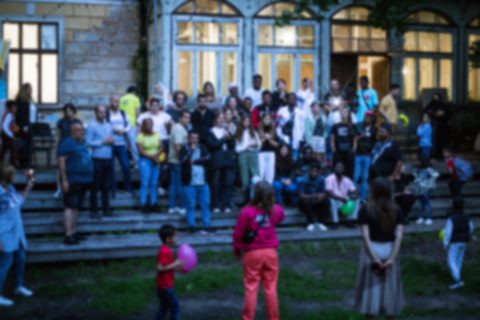
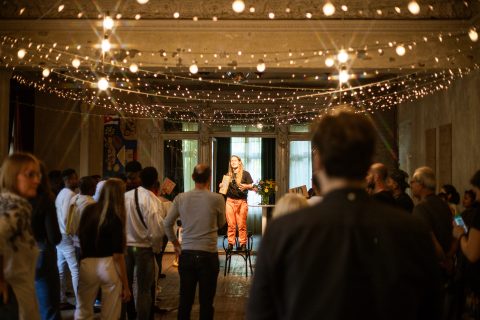
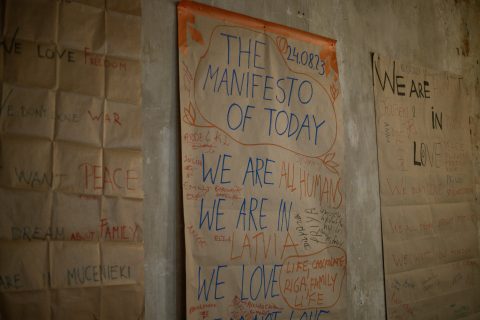
Vita: In the closed facilities, it seemed like people eagerly awaited our arrival because they didn’t have interaction with anyone else. Our presence made a significant difference in their lives as they formed friendships and saw the locals in a different light, as their only connection there was with the guards. On the other hand, at the open center, people initially seemed hesitant to engage, perhaps due to shyness or fear. However, as time passed, we noticed a gradual shift. Those who had been in closed facilities started recognizing us at the open camp, and although they might not attend activities, they would reach out for my WhatsApp number. I started to receive messages from them expressing interest in meeting for a coffee or attending city events, although they often inquire about who else will be there. To encourage social integration and ease their transition into public life in Riga, I took the initiative to connect with cultural organizers and arrange meetups. These small steps are slowly melting the barriers, but it’s essential to understand that there’s a specific pace to people opening up, influenced by their fears and internal rules. With patience, time, and energy, we hope to foster greater community cohesion, but it’s unrealistic to expect a sudden influx of people from the open camp to attend events. It’s a gradual process that requires careful attention to each individual’s journey.
Modesta: As I mentioned earlier, we were working with both seniors and youngsters in Ķengarags. The initial idea was to create a Kengarags meeting map that included their stories of significant events in the neighborhood. For example, a senior might share a story of falling in love at a particular place, and then we would explore the same location with the youngsters to understand their experiences, memories, or feelings about the place. Reflecting back, I believe we could have focused more on engaging with the youngsters and experimenting with different approaches. Some of them primarily visited the center to play video games, so motivating and involving them was a challenge. Meanwhile, the seniors had packed schedules; they were often unavailable due to commitments like line dancing or craft classes. We had to catch them whenever we could, sometimes after their dance lessons. We also spent more time with one particular youngster, Santa, who also participated in sessions with the seniors. Together, we listened to stories, went on photography outings, and engaged in other shared activities.
In general, we focused heavily on photography during our project. We took photos of places that held significance for the community, such as their favorite spots, where to find the best ice cream, places they had lived, or locations where memorable events had occurred. Our engagement with the community took three main forms: through the day center with seniors, through the center for youngsters, and through a more individualized approach with one particular youngster, Santa.
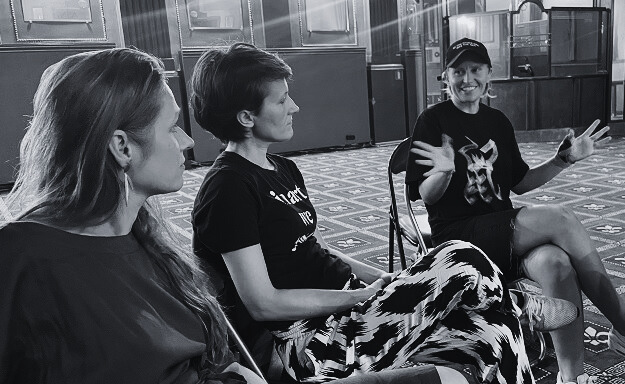
Elīna: In the beginning, Modesta and I were very enthusiastic about creating a documentary about Ķengarags. However, once our residency began, we quickly realized that our focus shifted. It wasn’t just about our artistic plans anymore; it was about the specific community and working directly with them. We also had to rethink our approach to engaging with the community. We decided to organize a public picnic as a way for people to learn more about our process and become involved. Only two girls showed up initially – Santa and another girl. Although the other girl changed her plans, Santa remained with us throughout the entire residency. It was at this moment that we realized the challenges ahead. Everything was quite daunting because I lacked sufficient experience, and I wasn’t accustomed to sharing my work experiences with others.
PART TWO – HERE!
“Magic Carpets” is a Creative Europe platform uniting 17 European cultural organisations (14 active members and 3 partners for 2025–2028). It supports emerging artists as they embark on creative journeys in unfamiliar lands, working with local communities to produce new artworks that highlight local identities, enhance storytelling, and promote cultural accessibility and activism.
For more information, visit:
https://theatre.lv/category/magic-carpets/
https://magiccarpets.eu
“Magic Carpets” platform and artist residencies are co-funded by the EU’s Creative Europe programme.
Back